

Wholesale Inflation Soars to 8.3% in April, Marking a 3.5-Year High
India’s wholesale inflation rate has surged to 8.3% in April 2023, marking the highest level seen in three and a half years, as per recent data published by the Ministry of Commerce and...

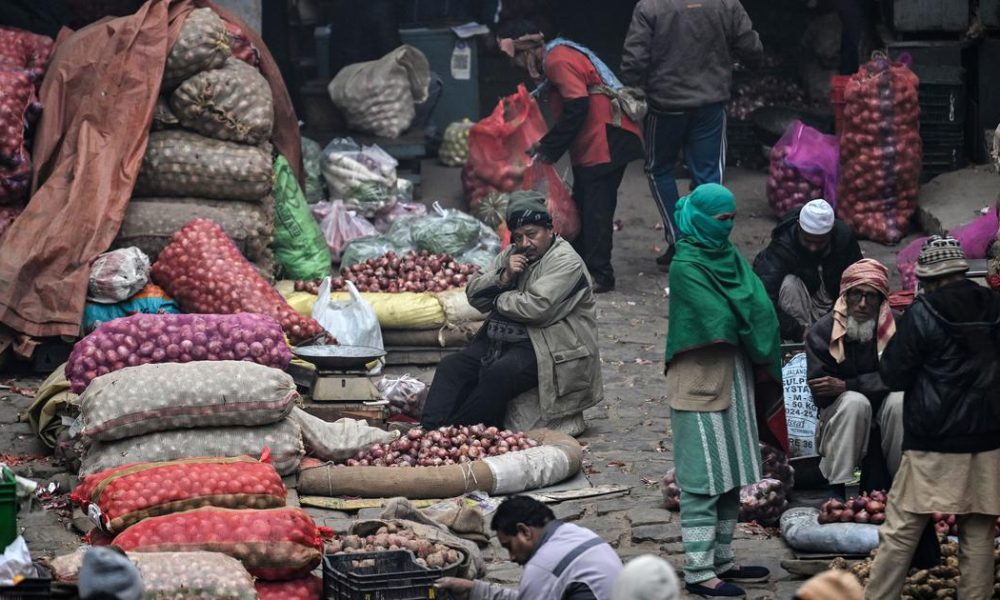
India’s wholesale inflation rate has surged to 8.3% in April 2023, marking the highest level seen in three and a half years, as per recent data published by the Ministry of Commerce and Industry. This notable increase is primarily attributed to escalating global energy prices, which have been significantly influenced by ongoing conflicts in West Asia.
The Wholesale Price Index (WPI), which tracks price changes for goods sold in bulk, showed a stark contrast compared to the previous month, when wholesale inflation was reported at 3.9%. The last time the inflation rate crossed the 8.3% threshold was in October 2022, indicating a troubling trend for the Indian economy.
Despite the overall rise in wholesale inflation, food inflation at this level has remained relatively stable, recorded at 2% in April, a slight increase from 1.9% in March. However, other sectors have not fared as well. The wholesale prices for fuel and power have skyrocketed by 24.7% year-on-year in April, illustrating the significant impact of rising energy costs on the economy. Notably, prices for petroleum and natural gas surged by an alarming 67.2%, underscoring the volatility in the energy sector.
The disruption of energy supplies to India can be traced back to the conflict in West Asia, which escalated on February 28, when Iran effectively blocked the Strait of Hormuz—a crucial global shipping lane through which approximately 20% of the world’s petroleum liquids transit. This blockade has not only hindered crude oil shipments but has also adversely affected the supply of liquefied petroleum gas (LPG) to India. With the country reliant on imports for 88% of its crude oil and nearly half of its natural gas, these disruptions pose a serious challenge for domestic energy security.
The rising energy prices are likely to have a ripple effect on various sectors of the economy, potentially leading to increased costs for consumers and businesses alike. Furthermore, the retail inflation rate has also seen a rise of 3.4% in April, adding to concerns about the overall economic landscape. As the government and policymakers seek to mitigate these inflationary pressures, the ongoing geopolitical tensions in the region remain a crucial factor to monitor for future economic stability.
Source: scroll.in







No Comment! Be the first one.