

Banibrata Mahanta Receives 2025 Muse India Translation Award for ‘Lavanyadevi’
In a notable achievement for Indian literature, Banibrata Mahanta has been awarded the prestigious 2025 Muse India Translation Award for his translation of the Hindi novel Lavanyadevi by Kusum...

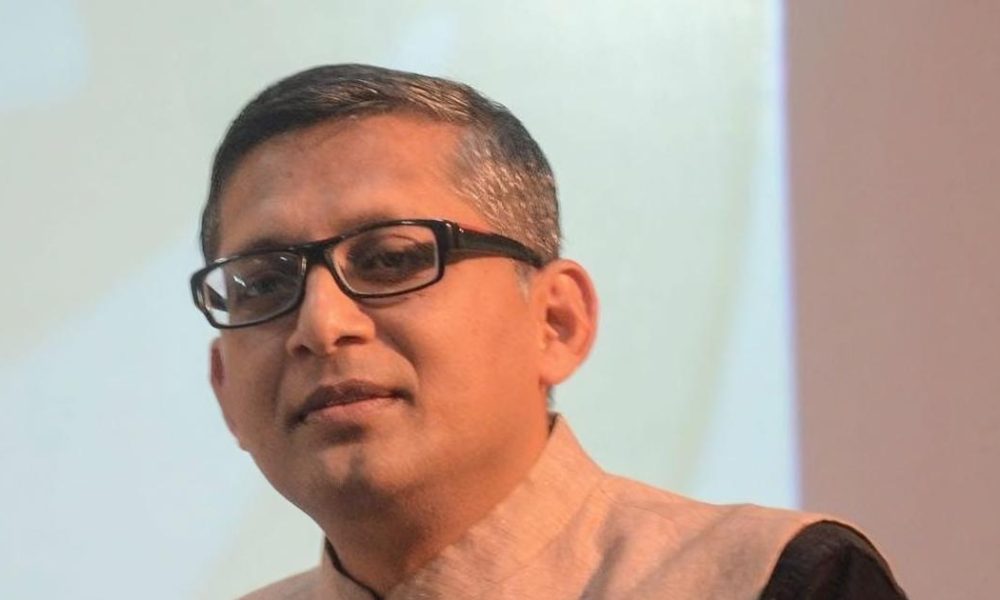
In a notable achievement for Indian literature, Banibrata Mahanta has been awarded the prestigious 2025 Muse India Translation Award for his translation of the Hindi novel Lavanyadevi by Kusum Khemani. This accolade highlights Mahanta’s skill in bridging linguistic divides, showcasing the richness of Hindi literature to a broader audience. As part of the award, Mahanta will receive a cash prize of ₹25,000, recognizing his efforts in promoting literary translation across India.
The Muse India Translation Award is a significant event in the literary community, attracting a diverse range of submissions from across the country. This year, the competition was fierce, with 103 entries received from 18 different Indian languages. The award aims to celebrate and encourage the art of translation, which plays a vital role in enhancing cultural exchange and understanding among various linguistic groups in India.
In addition to Mahanta’s win, several translators received commendation certificates for their exceptional work. Among them was V Ramaswamy for his translation of The Last Bench by Adhir Biswas from Bengali, Vidya Pai for The Bitter Fruit Tree and Other Stories by Prakash Parienkar from Konkani, Navdeep Suri for A Game of Fire by Nanak Singh from Punjabi, and Malini Seshadri for Kurinji Malar by Na Parthasarathy from Tamil. These recognitions further emphasize the importance of translation in making literature accessible to diverse audiences.
The panel that evaluated the entries consisted of 12 judges, chaired by a two-member jury comprising Professor Sachidananda Mohanty and Professor Sukrita Paul Kumar. Their expertise ensured a thorough and fair selection process, underscoring the significance of quality in literary translation.
Mahanta’s accomplishment is particularly significant in a country as linguistically diverse as India, where literature in regional languages is often overshadowed in the global narrative. By translating works like Lavanyadevi, he not only preserves the essence of the original text but also introduces it to new readers who may not be familiar with Hindi. This award serves as encouragement for more translators to take on the challenge of rendering works in their native languages, fostering a richer literary culture.
Source: scroll.in







No Comment! Be the first one.