

Bhopal Assault Case: FIR Filed Against Hindutva Group Members Over Allegations of ‘Love Jihad’
In a troubling incident that has sparked outrage in Madhya Pradesh, a Muslim man was assaulted by members of a Hindutva group in Bhopal over unfounded allegations of ‘love jihad.’ The...

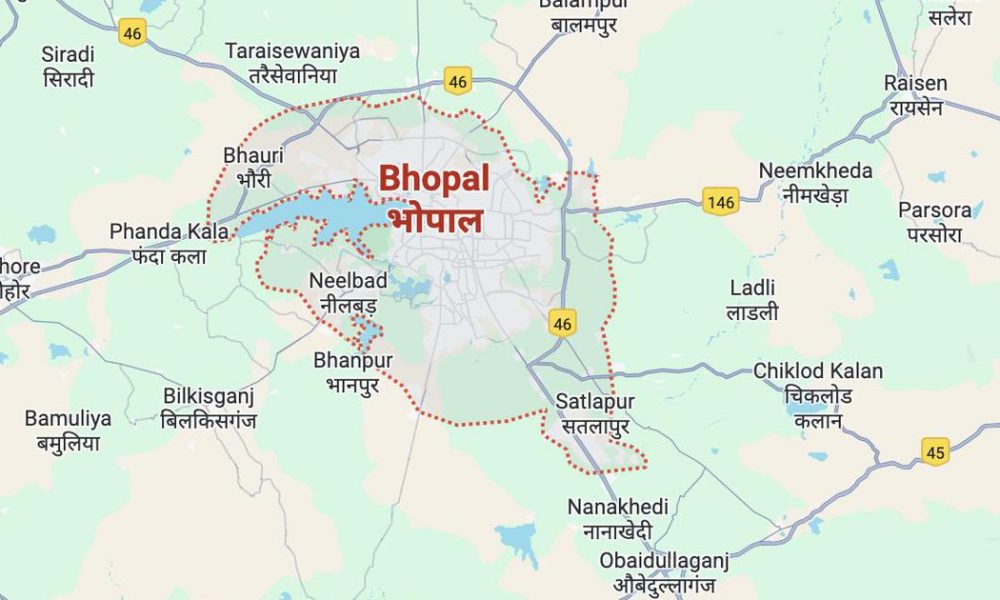
In a troubling incident that has sparked outrage in Madhya Pradesh, a Muslim man was assaulted by members of a Hindutva group in Bhopal over unfounded allegations of ‘love jihad.’ The attack took place on May 10 when the group forcibly entered a hotel room in Gautam Nagar, where the victim, identified as Arif Khan, was present with a Hindu woman.
The term ‘love jihad’ refers to a controversial conspiracy theory propagated by certain right-wing groups, claiming that Muslim men are deceiving Hindu women into romantic relationships with the intention of converting them to Islam. However, it is important to note that the Indian government has clarified that there is currently no legal definition for this term under Indian law.
The first information report (FIR) was registered at the Govindpura police station following multiple complaints against unknown individuals involved in the assault. Reports indicate that members of the Bajrang Dal, a prominent Hindutva organization affiliated with the Rashtriya Swayamsevak Sangh (RSS), were responsible for the attack. Eyewitness accounts and videos circulating on social media depict the assailants shouting slogans like ‘Jai Shri Ram’ while subjecting Khan to physical abuse.
Witnesses noted that the attackers not only assaulted Khan but also publicly humiliated him by parading him through the streets with ink and cow dung smeared on his face. Disturbingly, some videos captured the incident as police officers attempted to intervene, yet the violence continued in their presence. The situation has ignited debates about law enforcement’s role and the rising incidents of mob vigilantism in the country.
Following the incident, the woman involved in the situation clarified to the police that she had not been coerced into any relationship or conversion, emphasizing the consensual nature of their interaction. This clarification adds another layer to the ongoing discourse surrounding issues of interfaith relationships in India, which often become contentious and politically charged.
As the investigation progresses, the case has drawn attention to the wider implications of communal tensions in the country, particularly in the context of interreligious relationships. It raises critical questions regarding personal freedoms, societal norms, and the often volatile intersection of religion and politics in India.
Source: scroll.in







No Comment! Be the first one.