

Caste and Regional Disparities: Unpacking Child Malnutrition in India
Child malnutrition continues to be a significant concern in India, with nearly one-third of children under the age of five experiencing stunting. This condition, indicative of chronic undernutrition,...

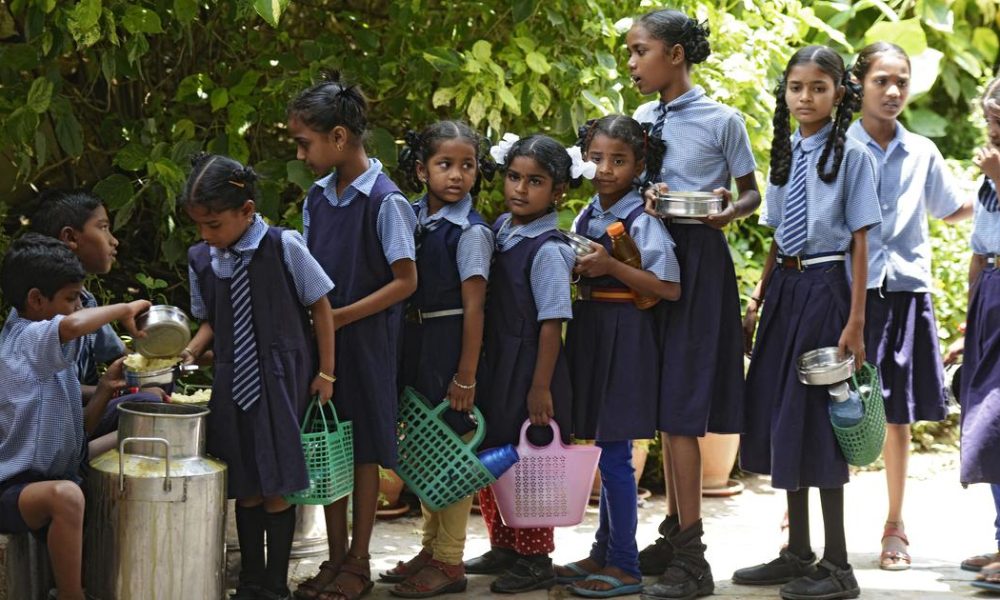
Child malnutrition continues to be a significant concern in India, with nearly one-third of children under the age of five experiencing stunting. This condition, indicative of chronic undernutrition, not only hampers physical growth but also affects cognitive development and influences future life outcomes. However, the impact of malnutrition is not uniform across various demographics, with stark disparities evident among different social groups.
Research has consistently shown that children from historically marginalized caste backgrounds are more prone to stunting compared to their more privileged peers. These inequalities are both substantial and enduring, permeating throughout the country. While numerous factors such as poverty, sanitation access, birth order, and gender discrimination contribute to these disparities, they alone do not sufficiently explain the vast differences observed among caste groups.
Recent studies published in the Journal of Economic Behavior & Organization delve deeper into this issue, suggesting that caste-based discrimination may play a crucial role in exacerbating these disparities. To investigate this further, researchers have utilized a notable historical and social boundary in India: the Vindhyas mountain range. This geographical divide has long separated the northern regions from the southern parts of the country, providing an insightful framework for examining malnutrition trends.
By focusing on this divide, the study highlights how children living north of the Vindhyas face distinct challenges compared to those in the South. The differences in outcomes can be attributed to a combination of socio-economic conditions, healthcare access, and cultural attitudes towards nutrition and child-rearing practices that vary across these regions. Such a nuanced understanding of malnutrition needs to be considered in policy-making and intervention strategies aimed at tackling this critical issue.
As India strives to improve child health and nutrition, addressing the multifaceted nature of malnutrition—especially its deep-rooted ties to caste and regional disparities—will be essential. Only through comprehensive strategies that take into account these socio-cultural factors can effective solutions be developed to combat child malnutrition and promote equitable growth for all children in India.
Source: scroll.in







No Comment! Be the first one.