

Impact of 1947 Partition Violence on Hindus and Sikhs in Afghanistan
As India approached its independence in 1947, tensions erupted into communal violence that reverberated far beyond its borders, stirring concern among the authorities in Kabul. In September of that...

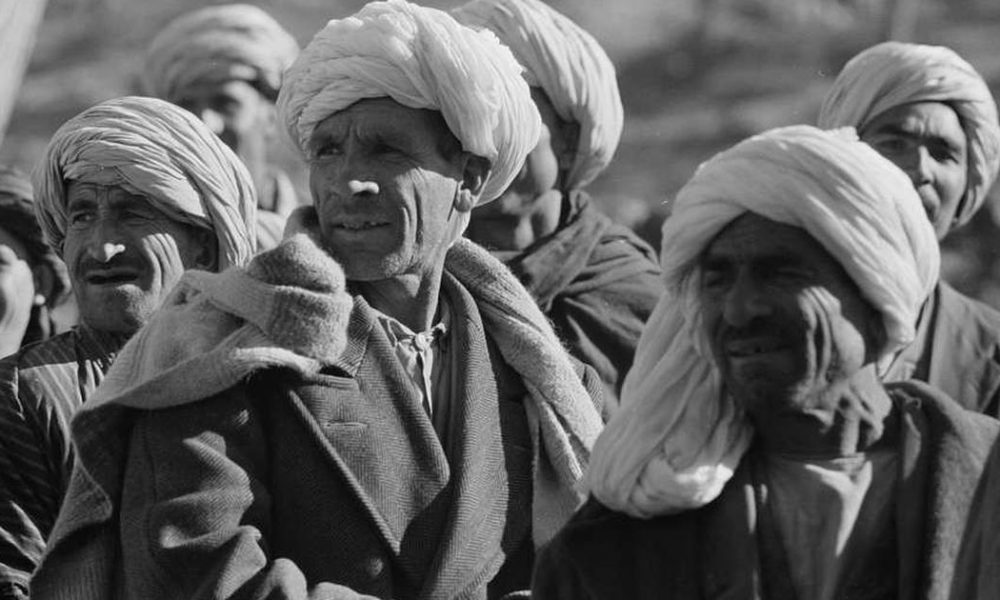
As India approached its independence in 1947, tensions erupted into communal violence that reverberated far beyond its borders, stirring concern among the authorities in Kabul. In September of that year, the Afghan government, witnessing the escalation of conflict in neighboring India, became increasingly apprehensive about the potential spillover of violence into Afghanistan.
On September 19, a memorandum from a British military attache detailed a meeting led by F.M. Muhammad Asif Khan, the Police Commandant of Kabul. In a bid to maintain calm, Khan convened a group of twenty prominent Muslim traders from Pakistan. While he expressed solidarity with the plight of Muslims in India, his primary message was one of restraint, urging the traders not to retaliate against the Hindu and Sikh populations residing in Afghanistan. His caution highlighted the fragile peace within Kabul, contrasting sharply with the turmoil in surrounding provinces.
Despite the relative calm in Kabul, reports indicated that regions like Kandahar were not spared from violence. Disturbing incidents of communal strife led to significant internal displacement, forcing many Hindus and Sikhs to seek refuge in the capital. As described by the attache, these communities were compelled to sell their belongings, converting their Afghan currency into gold and jewelry to facilitate their escape should the situation worsen.
The plight of Hindus and Sikhs during this tumultuous period underscores the broader impact of the Partition on minority communities in the region. Living in fear, many sought to safeguard their wealth and secure a means of escape amidst the chaos that ensued. While Afghanistan had been home to these communities for generations, the violent upheaval in India created an urgent need for them to reconsider their safety and futures.
The events of 1947 left a lasting imprint on the socio-political landscape of Afghanistan and the Indian subcontinent. For the Hindus and Sikhs who migrated to Kabul during this crisis, the memories of displacement and fear serve as a poignant reminder of the fragility of peace and the devastating consequences of communal discord. This historical episode not only reflects the challenges faced by minority communities but also highlights the intricate ties between India’s partition and the socio-political dynamics in Afghanistan.
Source: scroll.in






No Comment! Be the first one.