

Calcutta High Court Challenges Election Commission’s Arrest Order Ahead of Bengal Elections
The Calcutta High Court raised significant questions on Wednesday regarding the Election Commission’s (EC) directive to arrest individuals labeled as ‘troublemakers’ prior to the...

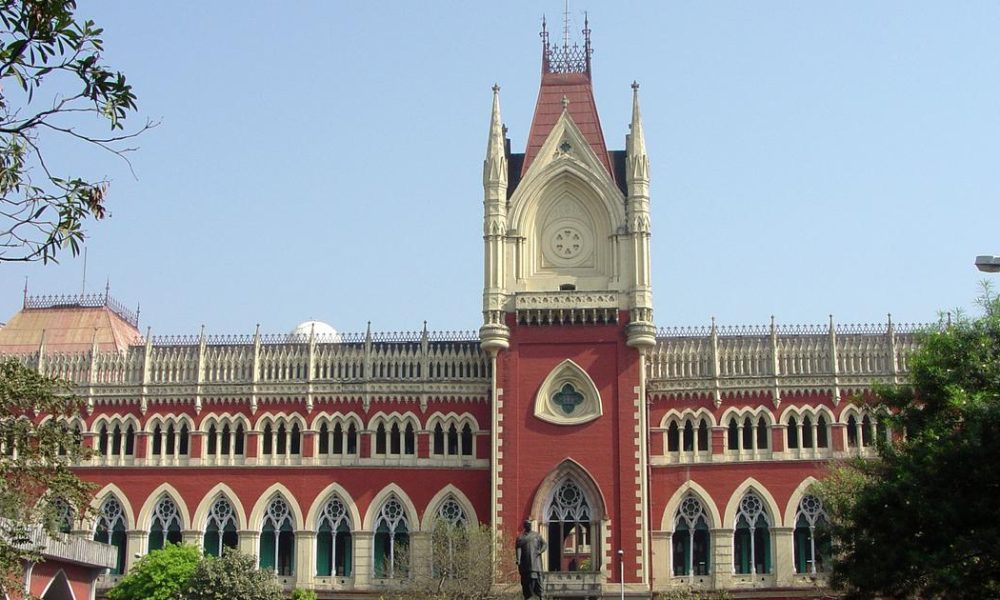
The Calcutta High Court raised significant questions on Wednesday regarding the Election Commission’s (EC) directive to arrest individuals labeled as ‘troublemakers’ prior to the upcoming Assembly elections in West Bengal. During a hearing, Chief Justice Sujoy Paul and Justice Parthasarathy Sen expressed their concerns about the necessity of such an order, emphasizing the need for clarity on the rationale behind it.
The matter was brought to the court’s attention by an advocate who claimed to have obtained information from various credible sources about a list allegedly containing names of Trinamool Congress (TMC) members, including workers and elected officials. The advocate argued that any action resulting in the arrest of these individuals would infringe upon personal liberties and undermine the democratic process, a sentiment that resonates deeply within the political fabric of West Bengal.
As the state prepares for its elections, with polling scheduled for April 23 and April 29, concerns over the integrity of the electoral process are paramount. The petitioner pointed out that the arrests could be perceived as politically motivated actions against a specific party, raising alarms about the fairness of the elections. The EC, which is mandated to ensure free and fair elections, now faces scrutiny over its methods.
In defense of its position, the counsel representing the Election Commission argued that the situation warranted urgent measures, citing ’emergent circumstances’ that necessitated the arrests. However, they refrained from providing additional details, describing the information as sensitive and confidential. The counsel requested time until the following Monday to submit a counter affidavit, indicating their intention to defend the commission’s actions in court.
The Chief Justice’s probing questions highlighted the delicate balance between maintaining law and order and safeguarding democratic freedoms. He remarked that if there were offenses committed, they should be classified under relevant legal statutes, implying that established legal frameworks should be followed rather than arbitrary orders. This ongoing debate reflects larger issues within Indian politics, particularly in states like West Bengal, where political tensions often escalate around election time.
Source: scroll.in






No Comment! Be the first one.