

Election Commission Imposes Motorcycle Restrictions Ahead of Bengal Polls
As West Bengal gears up for its Assembly elections, the Election Commission (EC) has laid down a series of restrictions aimed at ensuring a smooth electoral process. With just two days remaining...

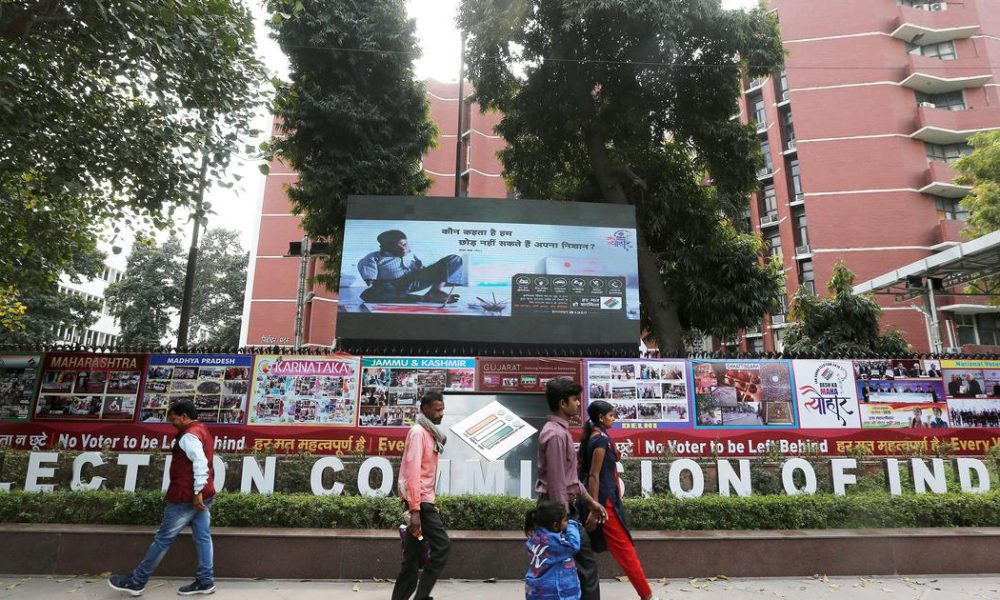
As West Bengal gears up for its Assembly elections, the Election Commission (EC) has laid down a series of restrictions aimed at ensuring a smooth electoral process. With just two days remaining until the first phase of voting, which is scheduled for Thursday, the EC has prohibited the use of motorcycles on public roads during nighttime and has also restricted tourist activities in certain areas, including the well-known beach destination of Digha.
The ban on motorcycles will be effective from 6 PM to 6 AM starting two days prior to the elections. In addition, the EC has specified that the use of motorcycles will be restricted during the day as well, allowing pillion riders only under certain conditions. Riders will be permitted to carry a passenger only for valid reasons such as medical emergencies, family functions, or the school commute of children. This measure is aimed at minimizing potential disruptions and ensuring the safety of voters.
The Election Commission’s decision to impose these restrictions has been framed within the context of ensuring free, fair, and peaceful elections. Officials emphasize that the ban is a precautionary measure to prevent any incidents of intimidation or disturbances that could arise from the use of motorcycles during this critical period. The move is part of a broader strategy to maintain order in an environment where tensions can sometimes run high.
Polling in West Bengal will take place in two distinct phases, with the first round set for this Thursday, followed by the second phase on April 29. The restrictions are initiated ahead of the first phase, and additional measures will come into effect on April 27 for the second round of voting. Such proactive steps by the EC underline the importance of a secure and orderly electoral process in a state that has seen its share of political volatility.
The public response to these restrictions has been mixed. While some citizens express understanding of the need for measures to ensure safety, others voice concerns about the inconvenience caused, particularly for daily commuters and families. As the state prepares for the electoral exercise, it remains crucial for all stakeholders to abide by the guidelines set forth by the Election Commission to uphold the integrity of the democratic process.
Source: scroll.in




No Comment! Be the first one.