

Unlocking Longevity: Genetic Insights into Healthy Aging Among Indians
Recent research into the genetics of longevity among the Indian population has unveiled fascinating insights that highlight the unique biological pathways contributing to a longer, healthier life....

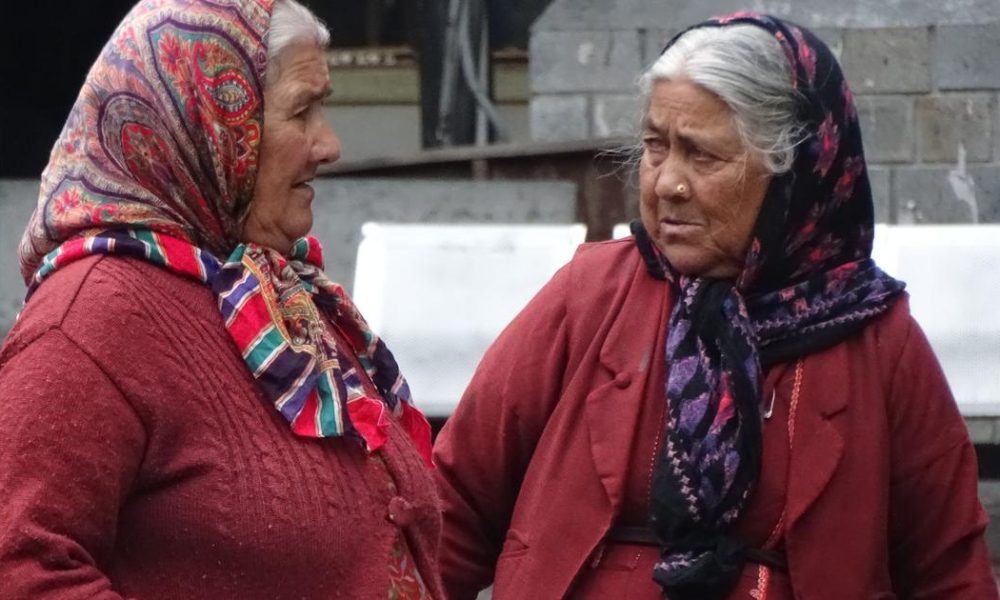
Recent research into the genetics of longevity among the Indian population has unveiled fascinating insights that highlight the unique biological pathways contributing to a longer, healthier life. This study focuses on long-lived individuals (LLIs), defined as those aged 85 years and older, and utilizes GenomegaDB—an extensive genetic database tailored to map the genetic diversity within India.
Historically, Indian genomes have been underrepresented in global genetic research, which makes this database a critical step towards understanding healthcare traits that are specific to the Indian demographic, particularly in terms of aging and longevity. By comparing genetic markers in LLIs with those in younger controls, researchers have identified specific genetic variants that significantly influence health and lifespan.
Among the most striking findings are unique genetic variants that correlate with a reduced risk of age-related ailments. For instance, variants associated with lower susceptibility to osteoporosis (ESR1 gene), a slower heart rate (MYH6 gene), and diminished anxiety levels (HSPA5 gene) were notably prevalent among LLIs. These genetic traits are indicative of enhanced mental, cardiac, and skeletal health, all of which are crucial components of longevity.
Interestingly, the research also highlights a lower frequency of genes linked to certain health risks among LLIs. Variants associated with atrial fibrillation (GORAB-PRRX1) and schizophrenia (RIMS1-KCNQ5) were notably less common, suggesting that avoiding these risk factors may significantly contribute to longevity in this demographic. Additionally, variants linked to shorter stature were found more frequently in LLIs, aligning with previous studies that suggest reduced growth hormone and IGF-1 activity may lead to lower caloric needs and healthier cardiovascular profiles, often observed in individuals of shorter stature.
The research further delves into critical genes such as FOXO3A and APOE, which are known for their roles in aging and longevity. The findings underscore the complexity of genetic influences on lifespan, offering a glimpse into how genetic research can pave the way for personalized healthcare solutions tailored to the Indian populace. As India grapples with an aging population, understanding these genetic factors could prove invaluable in promoting health and longevity across the nation.
Source: scroll.in







No Comment! Be the first one.