

Over 700 Citizens Urge Election Commission to Investigate PM Modi’s Address for Poll Code Violation
In a significant development, more than 700 concerned citizens have formally approached the Election Commission of India (ECI), alleging that Prime Minister Narendra Modi’s address to the...

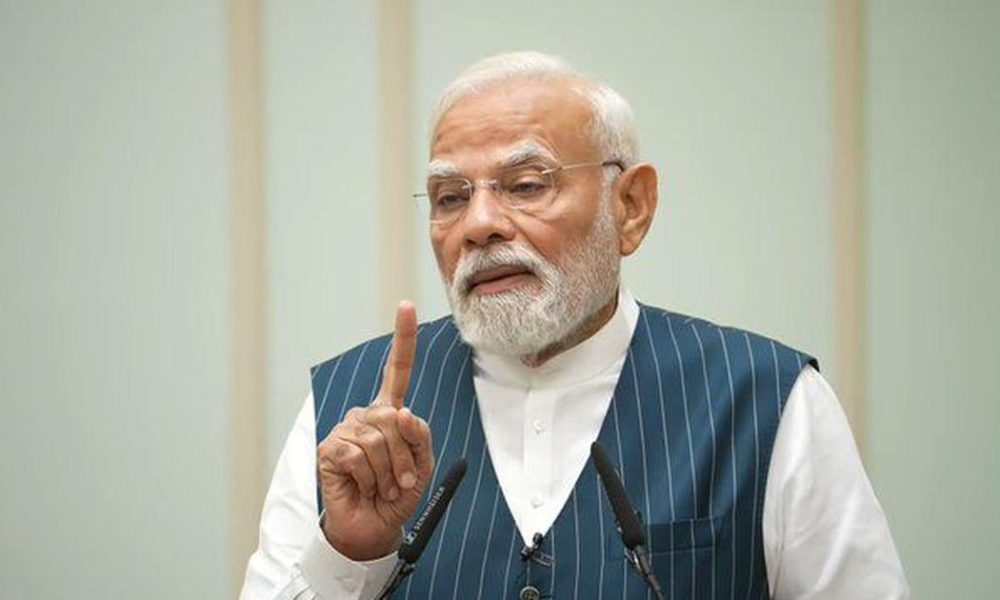
In a significant development, more than 700 concerned citizens have formally approached the Election Commission of India (ECI), alleging that Prime Minister Narendra Modi’s address to the nation on April 18 breached the Model Code of Conduct governing election processes. The diverse group of signatories includes former civil servants, academics, activists, and journalists, all expressing their apprehensions regarding the misuse of government resources for political gains.
The letter underscores that Modi’s address, which was broadcast live across state-run channels such as Doordarshan, Sansad TV, and All India Radio, amounted to what they term “electioneering and partisan propaganda.” The signatories argue that leveraging official platforms funded by taxpayers to convey political messages during an election cycle violates the principles that aim to ensure fair electoral practices.
During this particular address, Modi criticized various Opposition parties for their decisions to reject a crucial bill aimed at amending the 2023 Women’s Reservation Act and altering electoral constituency boundaries. He accused these parties of prioritizing their own political ambitions over the empowerment of women, claiming they insulted the Constitution’s framers by opposing the bill. Such statements, particularly during a heated election period, have raised eyebrows among the public and political analysts alike.
The context of this controversy is particularly critical, as Assembly elections were being held in multiple states, including Assam, Kerala, Puducherry, Tamil Nadu, and West Bengal. The timing coincided with recent polling in Assam, Kerala, and Puducherry on April 9, while elections in Tamil Nadu are set for April 23, and West Bengal will see voting in two phases on April 23 and April 29. The opposition has been vocal about the need for a level playing field, expressing concerns that the Prime Minister’s address could unduly influence voters.
This incident has sparked a broader conversation regarding the ethics of political communication during elections, especially when it involves the use of state machinery. Many are now watching closely to see how the Election Commission responds to the citizens’ concerns and whether any actions will be taken to uphold the integrity of the electoral process in India.
Source: scroll.in







No Comment! Be the first one.