

Disenfranchisement of 27 Lakh Muslim Voters in West Bengal: Implications for Upcoming Elections
As West Bengal prepares for its upcoming elections, a significant political crisis has emerged with more than 2.7 million voters facing disenfranchisement. Among those affected, a large segment...

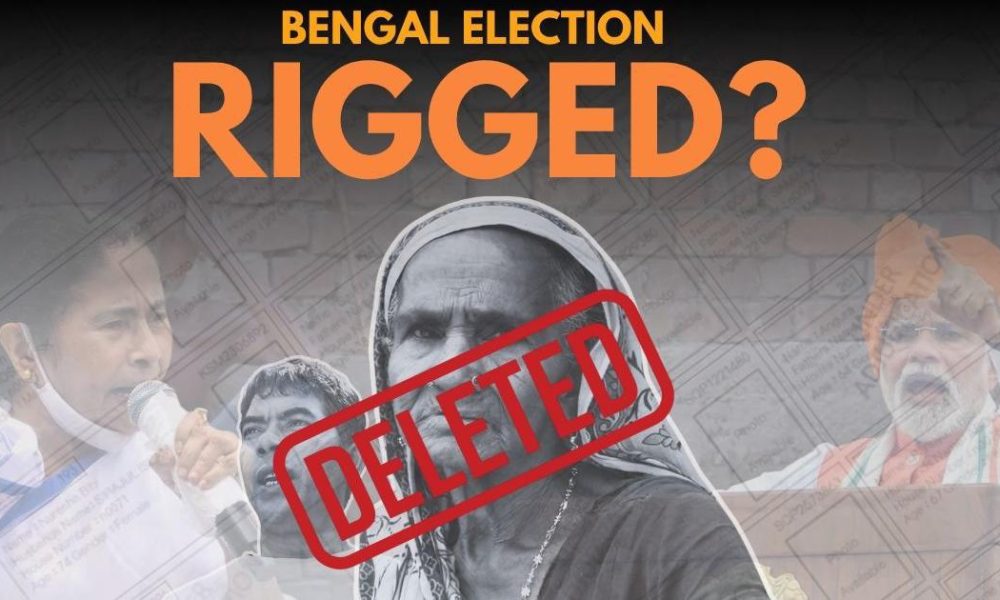
As West Bengal prepares for its upcoming elections, a significant political crisis has emerged with more than 2.7 million voters facing disenfranchisement. Among those affected, a large segment consists of Muslim voters, many of whom participated in the last election but have inexplicably been removed from the electoral rolls. This development raises critical questions about voter rights and electoral integrity in the state.
The disenfranchisement process has been particularly alarming, as numerous individuals have reported attending hearings and presenting required documentation during the state’s special intensive revision of the electoral rolls. Despite their efforts, these voters received notices of their removal, sparking concerns over systemic biases within the electoral process. Analysts have pointed out that the deletions disproportionately impact Muslim voters, a demographic that has been historically significant in West Bengal’s political landscape.
To gauge the sentiments of those affected, journalists recently traveled through the districts of Malda and Murshidabad, engaging with disenfranchised individuals and local political figures. Many expressed feelings of betrayal and hopelessness, voicing their frustration over what they perceive as a deliberate effort to undermine their electoral power. Local leaders have echoed these sentiments, arguing that this situation could significantly alter the political dynamics in the state.
Political analysts suggest that the loss of such a substantial voter base could have far-reaching implications for parties in West Bengal. With Muslim voters traditionally tilting the scales in favor of parties like the Trinamool Congress, their exclusion may create an opportunity for rival parties, particularly the Bharatiya Janata Party (BJP), to gain ground. The BJP has been actively courting Hindu voters, and the void left by disenfranchised Muslim voters could serve to bolster their position in a competitive electoral environment.
As the elections loom closer, the situation warrants urgent attention from electoral bodies and civil society organizations. Ensuring fair access to the ballot is essential for democracy, and the plight of these disenfranchised voters must not be overlooked. How political entities respond to this crisis will likely shape not just the immediate electoral outcomes but also the future of governance and representation in West Bengal.
Source: scroll.in







No Comment! Be the first one.