

Supreme Court Rejects Umar Khalid’s Bail Review Petition in Delhi Riots Case
The Supreme Court of India has turned down a plea from activist Umar Khalid, seeking a review of its earlier decision to deny him bail in the Delhi riots conspiracy case. This development was...

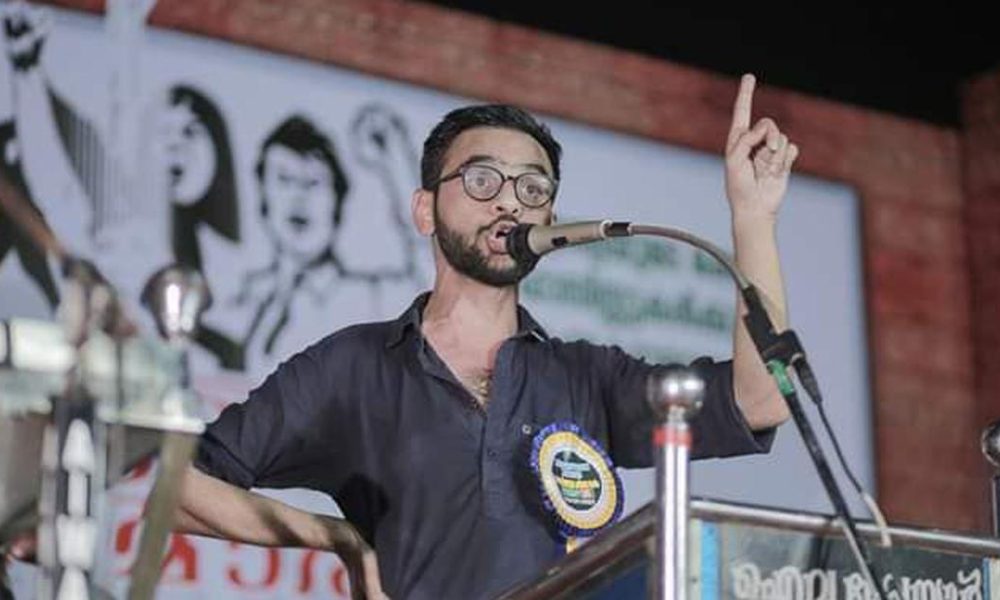
The Supreme Court of India has turned down a plea from activist Umar Khalid, seeking a review of its earlier decision to deny him bail in the Delhi riots conspiracy case. This development was reported on Monday by legal news outlets, following the court’s ruling that was initially issued on January 5, 2023.
In its January order, the Supreme Court chose to deny bail not only to Khalid but also to fellow activist Sharjeel Imam. However, the court did grant bail to other activists involved in the case, including Gulfisha Fatima, Meeran Haider, Shifa-ur-Rehman, Shadab Ahmed, and Muhammad Saleem Khan. Khalid’s challenge to the court’s decision was filed last week but was dismissed during a hearing on Thursday, with the verdict made public recently.
The Supreme Court’s bench, comprising Justices Aravind Kumar and NV Anjaria, stated, “Having gone through the review petition and also the documents enclosed, we do not find any good ground and reason to review the judgement.” Khalid’s legal team had hoped to overturn the initial ruling, arguing that there were substantial grounds for reconsideration.
The backdrop of this case lies in the communal violence that erupted in February 2020 in North East Delhi, resulting in the deaths of 53 individuals, with the majority being from the Muslim community. The violence ensued amid heated protests against the Citizenship Amendment Act (CAA), which had polarized opinions across the country. Khalid and several others were arrested between January and September 2020, facing serious charges under multiple laws, including the Unlawful Activities (Prevention) Act and the Indian Penal Code.
Critics of the CAA and the associated arrests have raised concerns about the implications for civil liberties and the political motivations behind the charges. As the legal battle continues, the case remains a focal point of debate regarding freedom of expression and the right to dissent in India.
Source: scroll.in





No Comment! Be the first one.