

Tamil Nadu Assembly Elections: 400+ Candidates with Serious Criminal Charges; 25% Millionaires
As Tamil Nadu gears up for its assembly elections, a concerning report reveals that more than 400 candidates are embroiled in serious criminal cases. This analysis, conducted by the non-governmental...

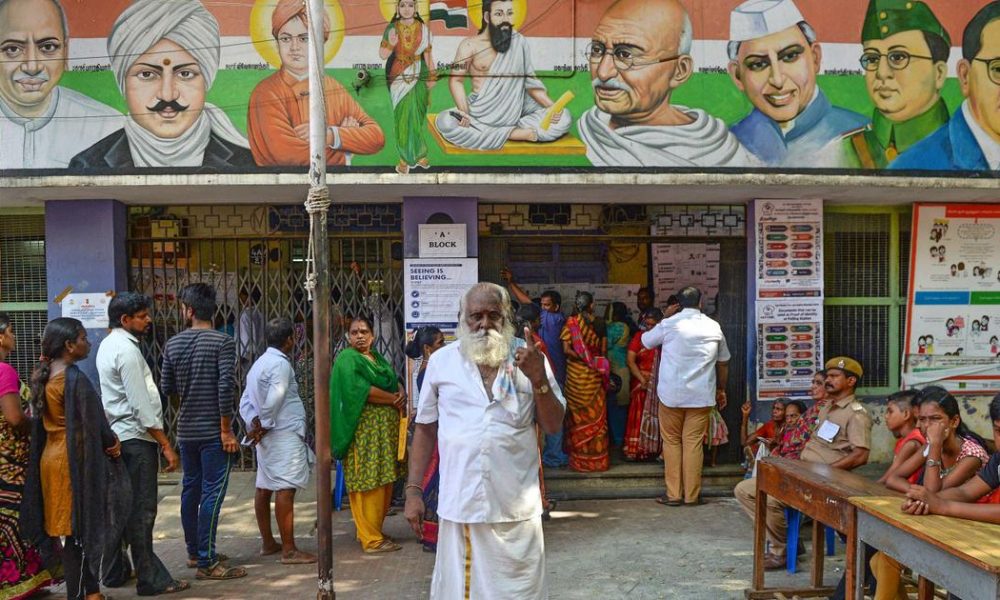
As Tamil Nadu gears up for its assembly elections, a concerning report reveals that more than 400 candidates are embroiled in serious criminal cases. This analysis, conducted by the non-governmental organization Association for Democratic Reforms (ADR), was released on Sunday and highlights the growing trend of candidates with criminal backgrounds participating in the electoral process.
The study focused on the self-sworn affidavits of 3,992 candidates contesting across 234 assembly constituencies, revealing that approximately 10% face serious criminal allegations. Notably, among these candidates, 18 have declared charges related to crimes against women, while 13 are linked to murder allegations. This marks a significant increase from previous elections, where only 6% of candidates reported similar serious charges.
ADF categorizes serious criminal offenses as those subject to a maximum punishment of five years or more, non-bailable crimes, or those involving a loss to public funds. This includes severe offenses such as murder, kidnapping, rape, and other crimes against women, as well as violations of the Representation of the People Act and the Prevention of Corruption Act.
In the latest analysis, a total of 722 candidates, or 18%, have self-reported criminal cases, up from 13% in the 2021 elections. The All India Anna Dravida Munnetra Kazhagam (AIADMK) party stands out with the highest proportion of candidates with declared criminal records, accounting for 69% of its nominees. This trend raises alarm about the integrity of the electoral process and the implications for governance if these individuals are elected.
In addition to the troubling statistics regarding criminal backgrounds, the report also points out that a substantial portion of candidates—approximately 25%—are classified as ‘crorepatis’ or millionaires. This phenomenon underscores the increasing role of wealth in Indian politics, prompting discussions about the influence of money in elections and governance.
As the elections approach, the findings of this report may shape public perception and voter behavior. Citizens are left to ponder the qualifications and integrity of those vying for positions of power, urging a deeper examination of what candidates truly represent in the realm of public service.
Source: scroll.in







No Comment! Be the first one.