

After Operation Sindoor: Analyzing the Shift in India-Pakistan Relations
Nearly a year has elapsed since the tragic terrorist attack on tourists in Kashmir on April 22, which prompted India to launch a military retaliation known as Operation Sindoor just 16 days later....

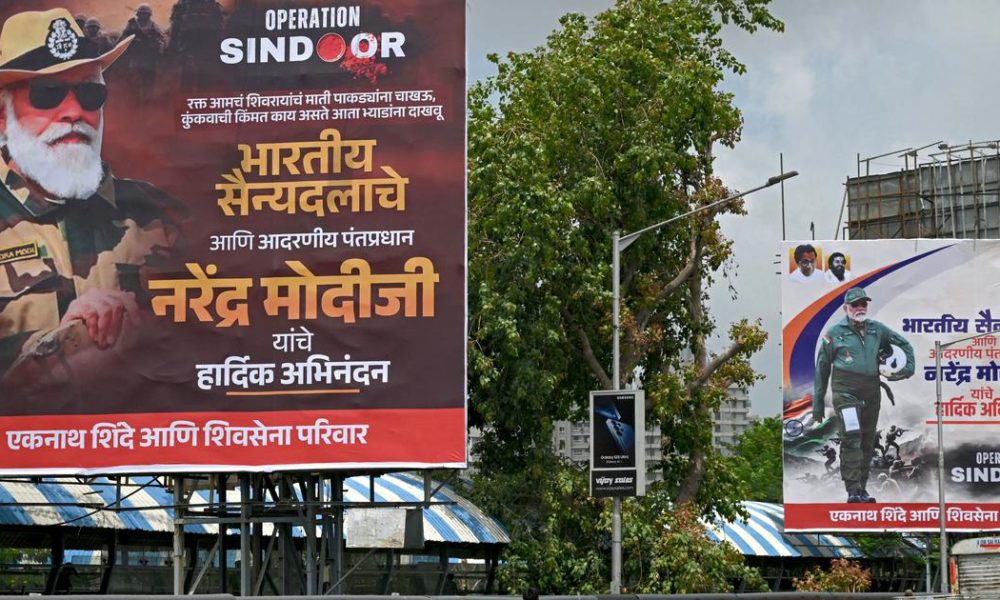
Nearly a year has elapsed since the tragic terrorist attack on tourists in Kashmir on April 22, which prompted India to launch a military retaliation known as Operation Sindoor just 16 days later. This operation marked a significant escalation in hostilities between India and Pakistan, primarily as an aerial conflict. The operation commenced during the night of May 7 and continued until a ceasefire was declared on May 11, engaging both nations in four intense days of military action.
Historically, military confrontations between India and Pakistan have often led to diplomatic dialogues aimed at fostering peace. However, the aftermath of Operation Sindoor appears to have diverged from this trend. Instead of paving the way for constructive discussions, this recent skirmish has seemingly deepened the rift between the two countries. The escalation has resulted in a hardening of attitudes, with both nations now navigating a landscape characterized by an entrenched hostility.
In the wake of Operation Sindoor, the prevailing sentiment in India reflects a so-called ‘new normal’ regarding its relations with Pakistan. This perspective is framed by a perception of perpetual conflict, underscored by a newly articulated doctrine aimed at countering cross-border terrorism. Strategic analysts aligned with the government have lauded the operation as a transformative response, defining a more aggressive posture towards Pakistan.
In his address to the nation shortly after the ceasefire, Indian leaders emphasized the need for a robust approach to security, indicating a shift towards viewing Pakistan not merely as a neighbor but as a persistent threat. This rhetoric has further polarized public opinion and shaped the national discourse surrounding bilateral ties.
The implications of these developments extend beyond immediate military concerns; they could have far-reaching effects on the geopolitical landscape of South Asia. As both countries grapple with their respective challenges, the absence of dialogue raises questions about future interactions and the potential for peaceful resolution of longstanding issues. The need for a constructive and genuine approach to diplomacy has become apparent, as both nations must seek a pathway away from conflict towards understanding and cooperation, if they are to break free from the cycle of hostility.
Source: scroll.in







No Comment! Be the first one.