

Bengali Muslims Face Political Disenfranchisement Ahead of West Bengal Elections
On April 10, Ramjan Sheikh joined a crowd of hundreds from Ahiran village at a public meeting held by the Trinamool Congress (TMC) in Jangipur, Murshidabad. The gathering was publicized as an...

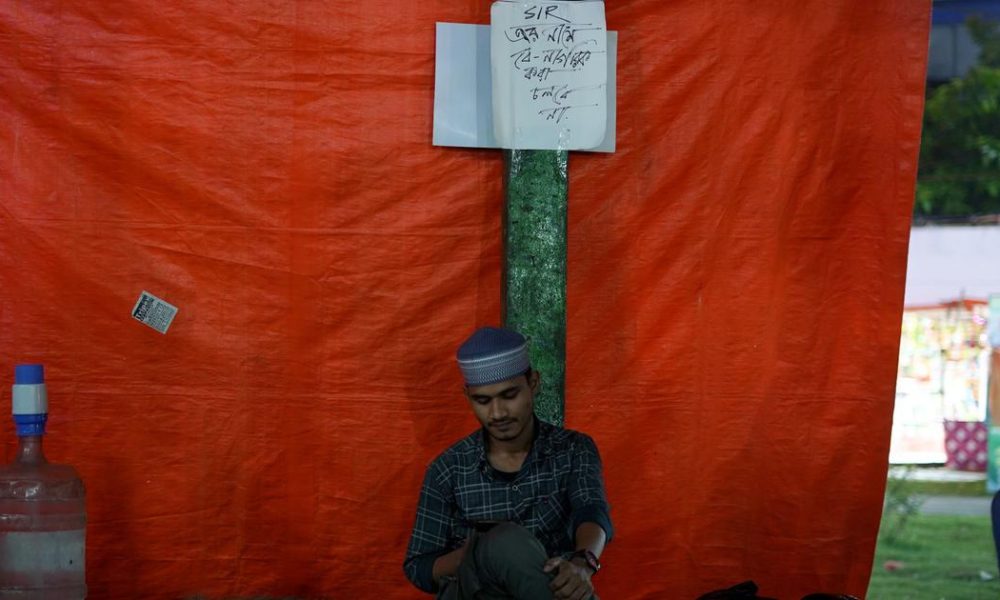
On April 10, Ramjan Sheikh joined a crowd of hundreds from Ahiran village at a public meeting held by the Trinamool Congress (TMC) in Jangipur, Murshidabad. The gathering was publicized as an important event, featuring Bengali cinema star Srabanti Chatterjee, who came from Kolkata to support local MLA Jakir Hossain. However, for Sheikh, the event fell short of expectations. “I came here hoping they would address the issue of the Special Intensive Revision (SIR),” Sheikh lamented. “But there was no discussion about ensuring voter rights for individuals like me before the elections.”
Sheikh’s frustration is echoed by many as a staggering 9.1 million names were purged from West Bengal’s electoral rolls during the recent SIR process. Unlike other Indian states, the revision process in West Bengal required numerous voters to attend hearings and provide documentation to validate their voting eligibility. This rigorous approach has disproportionately affected the region’s Muslim community, leading to significant disenfranchisement as the Assembly elections approach.
Research has indicated that a significant number of Bengali Muslims have been disproportionately impacted by these deletions, creating an alarming scenario for the upcoming elections. Districts with high Muslim populations, such as Malda and Murshidabad, which collectively elect 34 representatives to the West Bengal Assembly, are witnessing a growing wave of anger among voters. The sentiment of disenfranchisement is becoming a pivotal issue in this election cycle, threatening to reshape the political landscape.
As voters traverse through these districts, conversations reveal a deep-seated frustration with the apparent neglect of their rights. Many express skepticism towards the TMC’s commitment to safeguarding voter interests, highlighting a growing concern that their voices are being silenced in the political arena. The urgency for political representation and action is palpable, as voters fear being excluded from the democratic process.
The looming elections in West Bengal may not only redefine the political affiliations of the Muslim community but also influence the overall outcome of the polls. With disenfranchisement taking center stage, it remains crucial for political parties to address these pressing concerns if they wish to maintain support among their constituents. As the political climate heats up, the narrative around voter rights and representation will undoubtedly shape the discussions leading up to the elections.
Source: scroll.in




No Comment! Be the first one.