

Strait of Hormuz: Diverging Perspectives on International Law Between Iran and the US
The Strait of Hormuz, a vital maritime corridor, is a significant point of contention between Iran and the United States, both of which interpret its legal status through vastly different lenses....

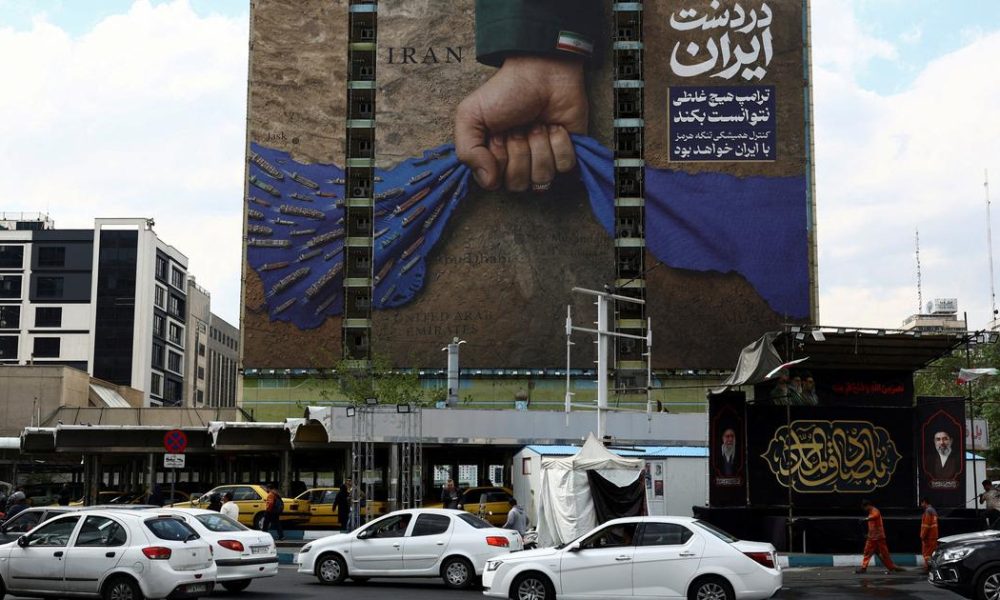
The Strait of Hormuz, a vital maritime corridor, is a significant point of contention between Iran and the United States, both of which interpret its legal status through vastly different lenses. This narrow passage is not only crucial for its geographical role but also for its economic significance, as it facilitates the transit of approximately 20% of the world’s oil supply.
From the American viewpoint, the Strait of Hormuz is classified as an international waterway, which grants all nations the right of passage. This perspective aligns with the broader principles of international maritime law, designed to facilitate free navigation and trade. In stark contrast, Iran considers this vital strait as an extension of its territorial waters, which allows it to impose regulations and control over the passage of ships, including the levying of tolls.
This divergence in interpretation leads to significant geopolitical tensions. For instance, Iran’s imposition of fees on vessels traversing the strait is deemed illegal by the United States, while any attempts by the US to restrict navigation or implement blockades are viewed by Iran as serious violations of its sovereignty. Such opposing views complicate the already intricate dynamics in a region that is frequently the focal point of international diplomatic and military activities.
The legal framework governing the sea is intricate, comprising a network of international laws, agreements, and customs. This body of law outlines the rights and responsibilities associated with maritime navigation, separate from the rules governing warfare and conflict. The contrasting interpretations of these laws by Iran and the US illustrate a broader issue—the difficulty of aligning national interests with international norms, particularly in a region where geopolitics and resource management are deeply intertwined.
As India continues to engage with both the US and Iran on various fronts, the implications of these differing legal perspectives could resonate through its own energy security policies and diplomatic strategies. The ongoing discourse surrounding the Strait of Hormuz is a reminder of the delicate balance that nations must navigate in their pursuit of sovereignty, security, and economic stability.
Source: scroll.in







No Comment! Be the first one.