

Asian and African Eco-Dystopian Novels: A Reflection on Environmental Crisis
As the world grapples with escalating environmental challenges, a new wave of eco-dystopian literature from Asia and Africa is emerging, offering profound insights into the human condition and our...

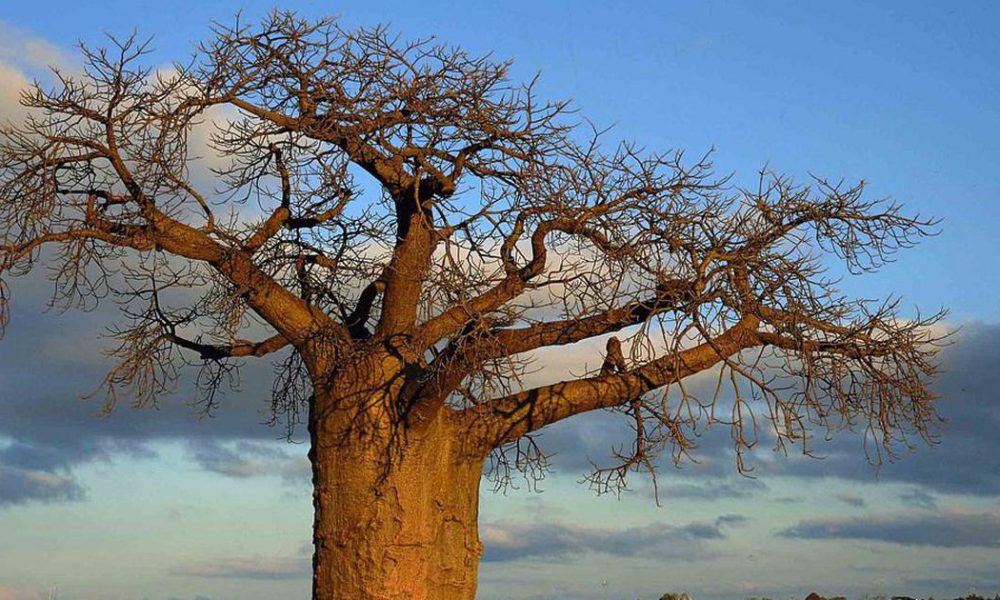
As the world grapples with escalating environmental challenges, a new wave of eco-dystopian literature from Asia and Africa is emerging, offering profound insights into the human condition and our planet’s future. These speculative narratives not only serve as cautionary tales but also provide a lens through which readers can confront their anxieties regarding climate change and ecological degradation.
The genre of eco-dystopian fiction has gained traction, particularly in regions like China, Taiwan, Nigeria, and India. With an increasing focus on environmental themes, authors from these areas are crafting stories that resonate deeply with contemporary issues. One notable example is Liu Cixin’s celebrated trilogy, “Remembrance of Earth’s Past,” which highlights the stark realities of environmental destruction. The series poignantly illustrates the repercussions of human actions on nature, portraying a future where the Earth is at severe risk due to rampant pollution and resource depletion.
In Liu’s narrative, the unsettling declaration of the aliens—“You are bugs”—serves as a grim reminder of humanity’s fragile position within the universe. The upcoming Netflix adaptation of the series, which is set to release its second season in late 2026, is anticipated to further popularize these critical environmental themes. Critics like Yue Zhou and Xi Liu emphasize that the trilogy reflects an important shift in Chinese science fiction, which is increasingly addressing urgent ecological issues such as overpopulation and electronic waste.
In India, the resonance of eco-dystopian literature is also palpable. Indian authors are beginning to explore themes of climate change and environmental justice, weaving cultural narratives that draw from the country’s diverse landscapes and socio-political contexts. This literary movement not only mirrors global concerns but also highlights local environmental crises, urging readers to reflect on their responsibilities toward nature.
Similarly, Nigerian writers are contributing significantly to the genre, with stories that confront the impacts of colonialism and development on the environment. Through unique storytelling, these authors bring to light the often-overlooked narratives of marginalized communities facing the brunt of ecological devastation.
As the urgency for environmental conservation grows, eco-dystopian novels from Asia and Africa are not just works of fiction; they serve as critical commentaries on our reality. By examining the complexities of human-nature relationships, these narratives push the boundaries of literature and invite readers to engage with pressing environmental issues.
Source: scroll.in







No Comment! Be the first one.