

Union Government Proposes Increase in Lok Sabha Seats Based on 2011 Census
In a significant move just two days prior to a special session of Parliament, the Union government has introduced three legislative proposals that could reshape the political landscape in India....

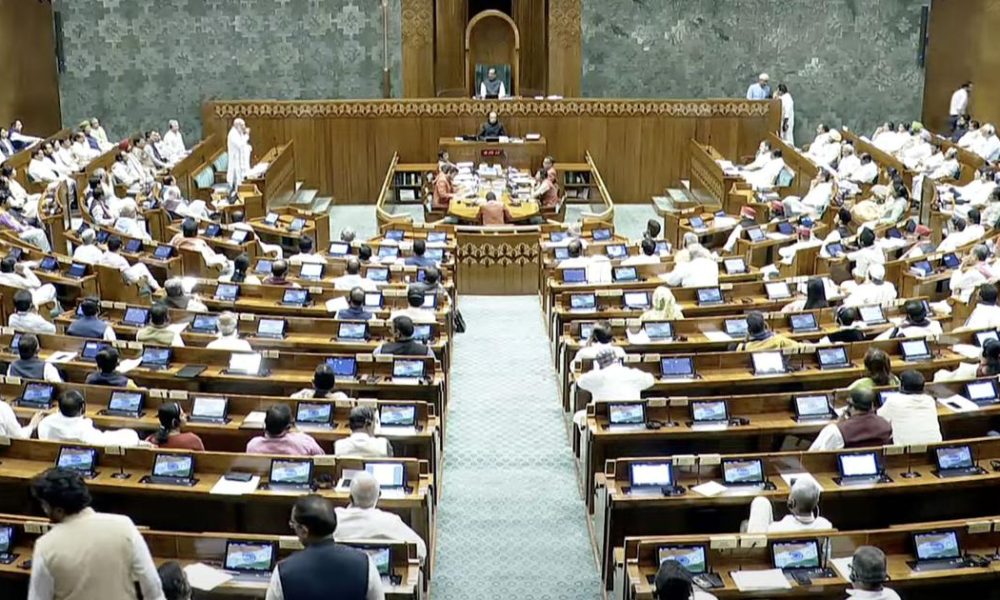
In a significant move just two days prior to a special session of Parliament, the Union government has introduced three legislative proposals that could reshape the political landscape in India. These bills aim to redraw constituency boundaries using population data from the 2011 Census, a shift that could have lasting implications on representation in the Lok Sabha.
The Constitution 131st Amendment Bill is at the forefront of this initiative, suggesting an increase in the number of Lok Sabha seats from the current 543 to 850. This amendment seeks to modify Article 82 of the Constitution, which has historically maintained the number of parliamentary seats based on the census of 1971. By abolishing this provision, the government intends to allow Parliament to determine, with a simple majority, which census data will inform future delimitation processes.
While the 2026 Delimitation Bill does not specify which census will be utilized, the government has indicated that any future delimitation will be based on the “latest published census,” effectively pointing to the 2011 enumeration. This decision raises concerns, particularly for southern states that have experienced slower population growth compared to their northern counterparts. Critics argue that such a move could lead to a disproportionate reduction in representation for these states, potentially skewing political power dynamics.
In addition to the proposed amendments to the Lok Sabha’s composition, the bills also introduce modifications to the 2023 Women’s Reservation Act. This Act aims to enhance the participation of women in politics by reserving a percentage of legislative seats, thereby promoting gender equity in governance. The interplay between these amendments to representation and gender inclusion will be crucial to observe as discussions progress in Parliament.
This initiative has sparked a variety of reactions from different political factions and civil society groups, with some praising the government’s commitment to updating parliamentary representation while others express apprehension over the potential for marginalizing specific states. As the special session of Parliament approaches, the discourse surrounding these changes will likely intensify, drawing attention to the complexities of demographic shifts and political representation in modern India.
Source: scroll.in



No Comment! Be the first one.