

Hungary’s Historic Election: A Turning Point for Democracy and Global Illiberalism
The recent elections in Hungary have marked a pivotal moment in the nation’s political landscape, as opposition leader Péter Magyar has successfully unseated Prime Minister Viktor Orbán, who had held...

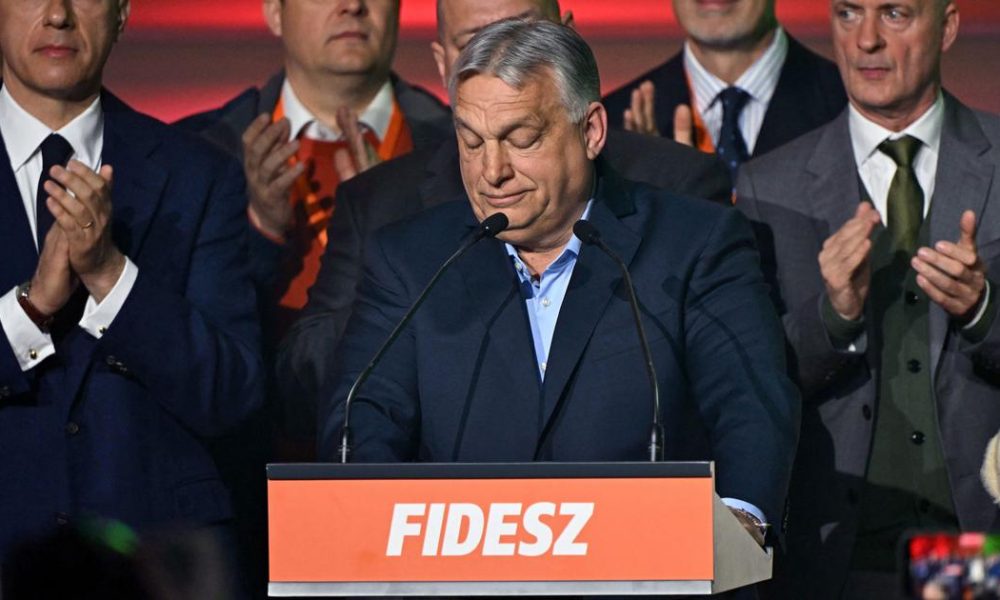
The recent elections in Hungary have marked a pivotal moment in the nation’s political landscape, as opposition leader Péter Magyar has successfully unseated Prime Minister Viktor Orbán, who had held power for 16 years. This significant victory is being hailed as a triumph for democratic values and accountability in a country that has seen a gradual slide into authoritarianism under Orbán’s Fidesz Party.
The electoral battle was not merely a contest for power; it was framed as a crucial referendum on Hungary’s future direction—whether to align more closely with Western democratic ideals or to continue on a path of illiberal governance. Magyar’s Tisza party achieved a remarkable two-thirds supermajority, capturing at least 138 of the 199 parliamentary seats. The voter turnout exceeded 74%, setting a new record for participation and underscoring the electorate’s desire for change.
What stands out in this election is not just the decisive outcome, but also Orbán’s unexpected concession. In a notable departure from traditional autocratic behavior, Orbán did not attempt to contest the results or instigate a crisis. His acceptance of defeat is significant, particularly given the potential for widespread civil unrest reminiscent of previous democratic movements in Eastern Europe, such as those seen in Ukraine and Georgia. This willingness to step aside may indicate a recognition of the overwhelming anti-government sentiment that has been brewing in Hungary.
The implications of Magyar’s victory extend far beyond Hungary’s borders, resonating across Europe and into the political arenas of Moscow and Washington. Analysts suggest that this election may serve as a warning signal to other leaders who have flirted with authoritarianism, highlighting that the tide can turn against them when civic engagement is mobilized. The rise of anti-establishment sentiments and popular demands for accountability could have ripple effects, inspiring similar movements in countries grappling with authoritarian tendencies.
As India observes political shifts worldwide, the Hungarian elections provide important lessons about the resilience of democracy in the face of rising populism and nativism. It emphasizes the need for transparent governance and encourages active participation from citizens, reminding nations that democracy is a continuous journey requiring vigilance and commitment. With Hungary’s recent electoral outcome, the global narrative surrounding illiberalism faces a significant challenge, and how it unfolds in the coming months will be closely watched.
Source: scroll.in







No Comment! Be the first one.