

Civil Society Voices Concerns Over Lack of Transparency in Women’s Reservation and Delimitation Bills
A coalition of scholars, activists, and former government officials has raised significant alarms regarding the opacity surrounding proposed amendments to the Women’s Reservation Act and the...

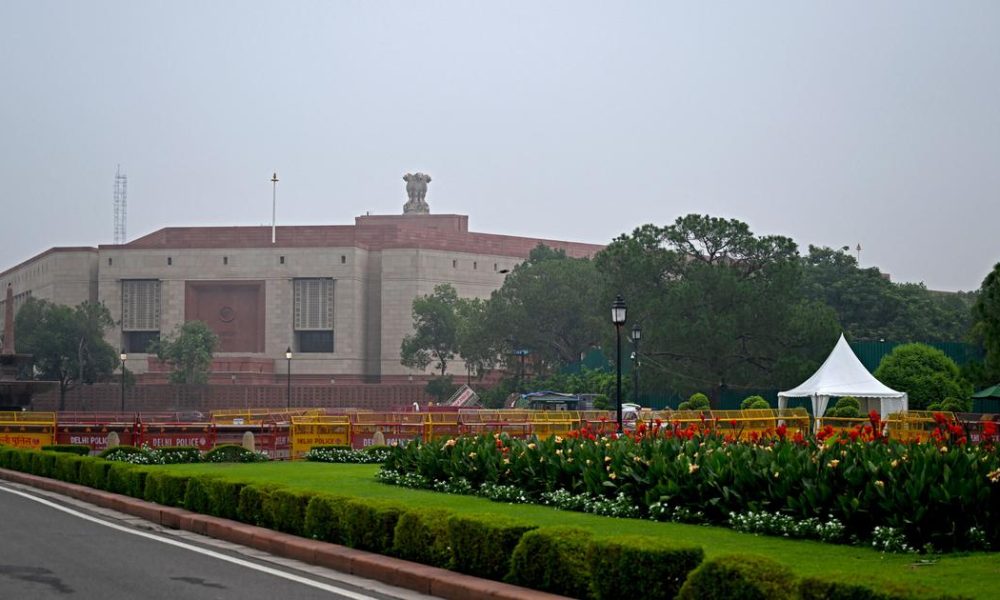
A coalition of scholars, activists, and former government officials has raised significant alarms regarding the opacity surrounding proposed amendments to the Women’s Reservation Act and the delimitation process in India. In a recent statement, this group of 262 concerned citizens criticized the government’s failure to disclose critical information about the draft bills, particularly their potential implications and the reasoning behind these constitutional changes.
On April 2, Union Parliamentary Affairs Minister Kiren Rijiju announced that the Budget Session of Parliament would reconvene on April 16 for a three-day period to discuss what he termed ‘important bills.’ This announcement coincided with reports indicating that the session, initially aimed to conclude on April 2, was extended to facilitate discussions on amendments to the Women’s Reservation Act of 2023. However, the government has not clarified the rationale behind this extension, leaving many citizens apprehensive about the legislative process.
The 2023 Women’s Reservation Act holds significant importance as it proposes to reserve 33% of seats in the Lok Sabha as well as state Assemblies for women. Nevertheless, the implementation of these reservations is contingent upon the completion of a population census, which will be followed by a delimitation exercise. Delimitation refers to the process of redrawing the boundaries of electoral constituencies, and it is governed by Article 82 of the Indian Constitution, which mandates a review of constituency boundaries after each census.
The concerns expressed by civil society members stem from the far-reaching consequences that the proposed amendments may have on gender representation in India. Activists argue that the lack of public engagement and discourse around these pivotal changes undermines democratic processes and the rights of citizens to be informed participants in legislative matters. The group emphasized that keeping the populace uninformed about such critical issues is not only shocking but also detrimental to the democratic framework.
As the government gears up for the special parliamentary session, the calls for transparency and open discussions around the Women’s Reservation Act and the delimitation process are likely to intensify. Observers are watching closely to see how the government addresses these concerns and whether it will take steps to ensure that citizens are adequately informed about the legislation that will shape the political landscape of India.
Source: scroll.in






No Comment! Be the first one.