

Exploring the Modern Legacy of Delhi’s Sultanate and Mughal Architecture
In the heart of Delhi, the historic remnants of the Sultanate and Mughal eras are not merely relics of the past; they have transformed into symbols of modernity and cultural synthesis. The journey...

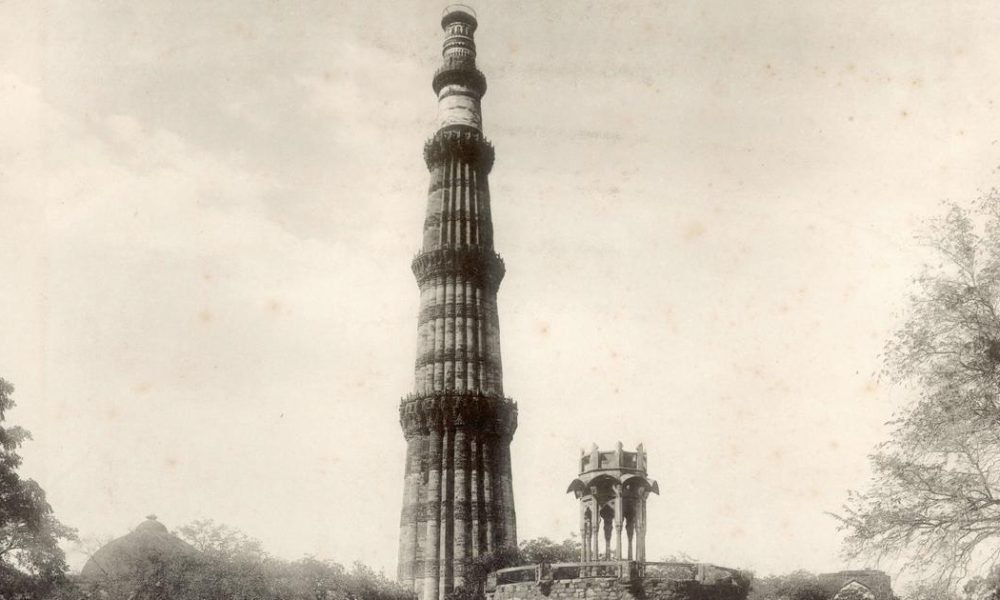
In the heart of Delhi, the historic remnants of the Sultanate and Mughal eras are not merely relics of the past; they have transformed into symbols of modernity and cultural synthesis. The journey into this evolution can be traced back to the mid-19th century, an era marked by significant British colonial influence. Observing the interaction between these architectural masterpieces and their visitors reveals much about the cultural dynamics of the time.
In 1848, Emily Metcalfe, daughter of British official Thomas Metcalfe, ascended the Qutb Minar, a stunning example of 12th-14th century architecture. Her expedition was not just a casual visit but a clandestine retreat to enjoy fresh fruits in privacy, reflecting the constraints on women of her time. This act of enjoying mangoes and oranges amidst the grandeur of the minaret signifies the complexities of cultural practices where colonial attitudes towards public behavior intersected with local traditions.
The Delhi Durbar of 1903 epitomized the British Raj’s ceremonial grandeur and its uneasy relationship with Indian heritage. During this event, Mrs. Thompson, the wife of a British official, expressed her apprehension while picnicking at the Qutb mosque complex. Her fears of the local populace exemplify the colonial mindset, where the presence of “crowds of natives” was both fascinating and frightening. Meanwhile, the opulence of the State Ball at Lal Qila, where Vicerine Lady Curzon donned a dazzling diamond-studded outfit, highlighted the desire to blend British aristocracy with Mughal splendor.
Colonial interactions with Delhi’s architectural wonders were not always harmonious. In 1906, Colonel Osborne’s refusal to adhere to the customs of removing his shoes before entering the Jama Masjid led to a notable confrontation. This clash between imperial disregard and local etiquette underscores the tensions inherent in colonial rule, which were often glossed over in the picturesque postcards sold to tourists. The Jama Masjid, built in the 17th century, stood as a testament to the enduring legacy of Mughal architecture, even as it became a site of contention between two vastly different cultures.
The narrative further unfolds during the 1911 Delhi Durbar, an event marking the declaration of Delhi as the capital of British India. King George V and Queen Mary engaged in a ceremonial display reminiscent of Mughal tradition, presenting themselves from the jharokha-i darshan. This act of mimicry not only served as a theatrical spectacle but also illustrated the British attempt to legitimize their rule by aligning themselves with the grandeur of Mughal heritage.
As modern India continues to grapple with its colonial past, the architecture of the Sultanate and Mughal periods stands resilient, reflecting a tapestry of cultural exchange and adaptation. These structures have become not only historical landmarks but also modern monuments that inspire a deeper understanding of India’s rich and diverse heritage.
Source: scroll.in







No Comment! Be the first one.