

US Military Initiates Naval Blockade of Iranian Ports Amid Rising Tensions
The United States military has announced the commencement of a naval blockade targeting Iranian ports, effective from Monday, April 13. This strategic move aims to restrict maritime activities...

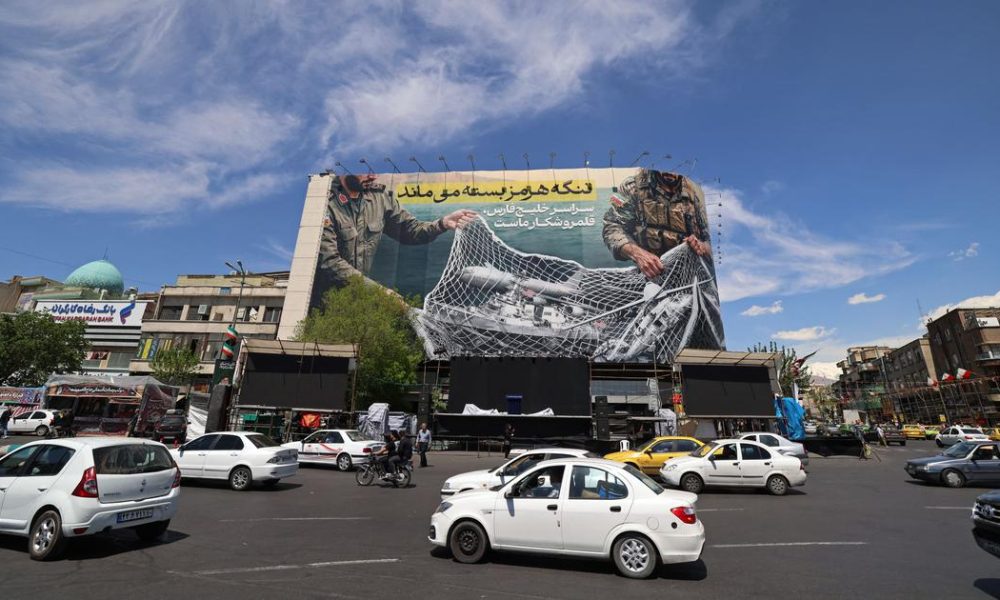
The United States military has announced the commencement of a naval blockade targeting Iranian ports, effective from Monday, April 13. This strategic move aims to restrict maritime activities closely linked to Iran, heightening the ongoing tensions in the West Asia region. According to the US Central Command, ships originating from or heading to ports outside of Iran will still be permitted to navigate through the crucial Strait of Hormuz, a vital chokepoint for global oil shipments.
The blockade is scheduled to take effect at 10 AM Eastern Time, translating to 7:30 PM Indian Standard Time. In a swift response to this announcement, global oil prices have spiked, with Brent crude reaching $101.8 per barrel, a significant increase from $78 per barrel recorded just before the conflict escalated on February 27.
The US Central Command emphasized that the blockade would be applied evenly across all vessels, irrespective of their nationality, entering or leaving Iranian ports and coastal regions. This includes operations in both the Arabian Gulf and the Gulf of Oman. Furthermore, US forces assured that they would not interfere with the freedom of navigation for those vessels transiting through the Strait of Hormuz to non-Iranian destinations.
This announcement came shortly after inconclusive discussions between US and Iranian representatives in Islamabad, where attempts to reach a diplomatic resolution to the situation in West Asia fell through. In a related development, US President Donald Trump articulated his intentions over the weekend, declaring that the US Navy would enforce the blockade to prevent any unauthorized maritime movements in the strategically important Strait of Hormuz.
The implications of this blockade are multifaceted, particularly for nations reliant on oil imports from the Gulf region, including India. As tensions escalate, the potential for disruption in oil supply chains raises concerns among Indian policymakers and consumers alike, who may soon feel the impact on fuel prices and overall economic stability.
Source: scroll.in







No Comment! Be the first one.