

Exploring India’s Role in Shaping the Spiritual Leadership of the Muslim World
In an intriguing exploration of historical narratives, journalist Imran Mulla’s debut book, Indian Caliphate: Exiled Ottomans and the Billionaire Prince, sheds light on an unexpected alliance...

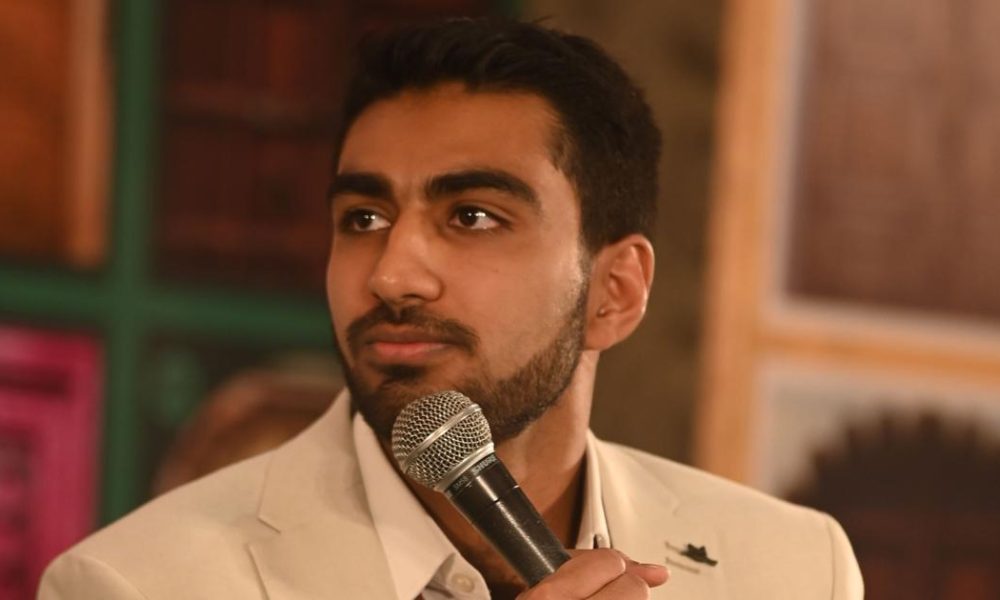
In an intriguing exploration of historical narratives, journalist Imran Mulla’s debut book, Indian Caliphate: Exiled Ottomans and the Billionaire Prince, sheds light on an unexpected alliance between the last Ottoman caliph, Abdulmejid II, and the Asaf Jahi dynasty of Hyderabad. This compelling narrative not only revives a largely forgotten chapter in history but also raises a thought-provoking question: Could the spiritual leadership of the Muslim world have gravitated towards India in the early 20th century?
Mulla’s journey began as a history student at Cambridge, where he first encountered the last Ottoman caliph. This encounter propelled him into a deep dive into historical archives spanning from the dusty realms of Ellora to the meticulous records in London. His research illuminates the intersection of personal narratives and geopolitical dynamics, showcasing how individual lives were interwoven with the greater tapestry of history.
The narrative unfolds against the backdrop of a crumbling Ottoman Empire and the rise of the Nizam of Hyderabad, who was known for his vast wealth and political acumen. As the empire faced decline, the Nizam navigated a complex landscape of imperial politics, seeking to maintain his influence and the traditions of his dynasty. Concurrently, Princess Durrushevar, who transitioned from Istanbul to Nice and finally to Hyderabad, represents a unique blend of tradition and modernity. Her life story encapsulates the struggles and aspirations of a woman who carved her space in a rapidly changing world, often balancing constraints imposed by her royal lineage with her personal desires for autonomy.
Mulla’s investigation is notably meticulous; he emphasizes the importance of differentiating between historical facts and conjectural interpretations. Throughout the discussion, he remains cautious about the evidence presented in the archives, while also highlighting the rich diversity within the Muslim community during this transformative period. The book not only charts the last leg of the Ottoman Empire but also delves into the aspirations of the Nizam and the mechanisms employed by the British Empire to maintain control over their territories.
The question of spiritual leadership is a significant one, particularly in the contemporary context where the Islamic world is often viewed through a lens of geopolitical tensions. Mulla’s work invites readers to consider India’s historical role in this narrative, suggesting that the subcontinent’s rich tapestry of culture and religion has the potential to influence broader Islamic discourse. As Mulla reflects on this alliance between the Ottomans and the Hyderabad dynasty, he paints a picture of a time when the dialogue between East and West was not just a political maneuver but also a spiritual quest for identity and continuity.
Source: scroll.in





No Comment! Be the first one.