

The Quest for ‘Clean’ Phosphates: Western Sahara’s Struggle for Independence
In an era where sustainability is increasingly in demand, the issue of ‘clean’ phosphates has drawn attention to the ongoing struggle of Western Sahara. This mineral, essential for...

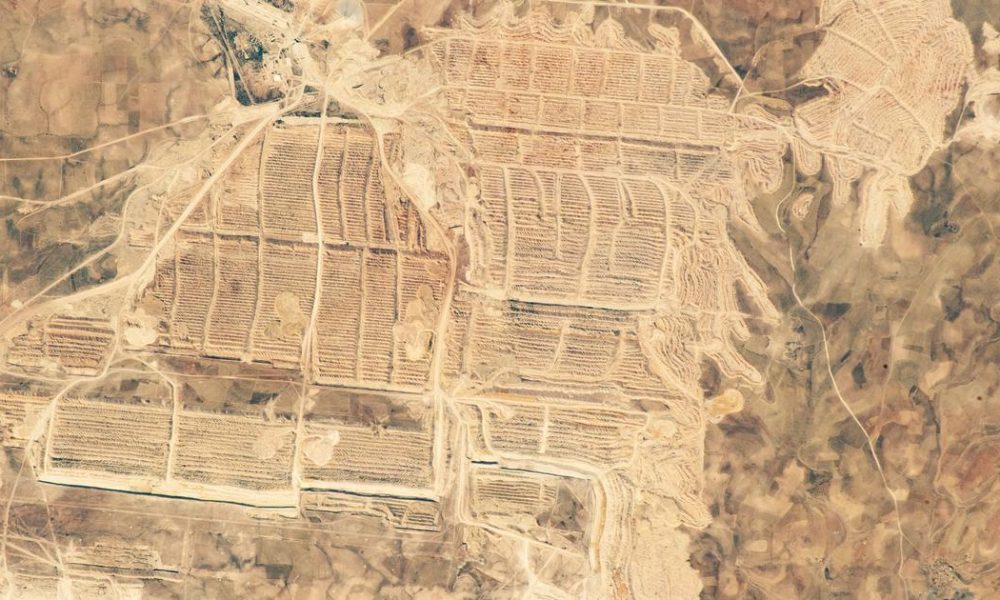
In an era where sustainability is increasingly in demand, the issue of ‘clean’ phosphates has drawn attention to the ongoing struggle of Western Sahara. This mineral, essential for agriculture, is not merely a commodity; it represents a battleground for human rights and independence. The story of Aminatou Haidar, a prominent Sahrawi activist, is emblematic of this fight.
At the age of twenty, Haidar organized a demonstration in 1987 to send a clear message to the United Nations regarding the desire for independence in Western Sahara. Her actions were met with a heavy-handed response from Moroccan authorities, who launched a widespread campaign of arrests targeting individuals regardless of age or gender. Reports indicate that over five hundred people were detained during this crackdown.
Shortly before the scheduled visit of a UN delegation, the Moroccan police visited Haidar’s home, leading to her arrest. In a harrowing account, she described being taken away in a vehicle that circled the streets of Laayoune, creating the illusion that she was being transported far from home. In reality, she was held in a police facility nearby, where she faced the terrifying uncertainty of not knowing her fate.
Throughout her year-long ordeal in solitary confinement, her family remained unaware of her whereabouts, a situation that underscores the grave human rights violations occurring under Moroccan rule. International humanitarian law categorizes enforced disappearances as crimes against humanity, highlighting the urgent need for accountability and justice in Western Sahara.
The extraction of ‘clean’ phosphates from this disputed territory raises ethical questions about the international community’s complicity in what some argue is a modern form of colonialism. As countries continue to seek sustainable resources, it becomes crucial to address the rights of the Sahrawi people and their aspiration for self-determination. The plight of individuals like Aminatou Haidar serves as a stark reminder of the human cost behind the mineral wealth fueling global agriculture.
Source: scroll.in







No Comment! Be the first one.