

Bail Granted to Foreign Nationals in Terror Case: A Reflection on Justice for Indian Undertrials
A recent ruling by a Special Court in Delhi has ignited a significant debate surrounding the intersection of national security, criminal law, and personal freedoms. The court granted bail to seven...

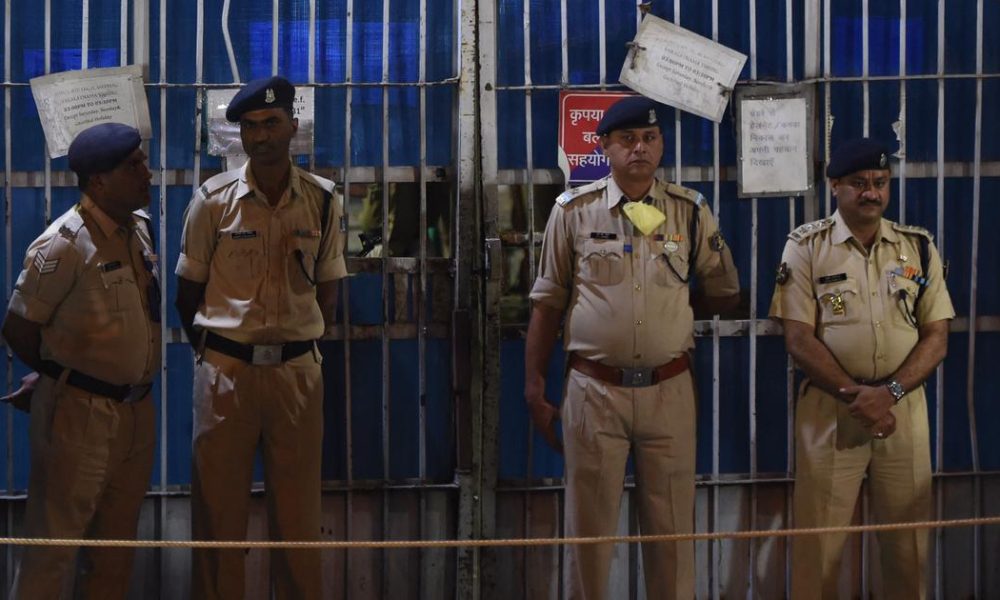
A recent ruling by a Special Court in Delhi has ignited a significant debate surrounding the intersection of national security, criminal law, and personal freedoms. The court granted bail to seven foreigners—an American citizen, Matthew Aaron VanDyke, and six Ukrainian nationals—who were detained under investigation by the National Investigation Agency (NIA) for alleged involvement in terrorism-related activities.
The seven individuals were arrested in March 2026, facing accusations that included assembling drones, conducting electronic warfare training, and providing support to ethnic armed groups operating along the Indo-Myanmar border. However, as the statutory period for submitting a chargesheet lapsed, the NIA’s report failed to include serious allegations under the Unlawful Activities (Prevention) Act of 1967, instead citing regulatory breaches under the Foreigners Act of 1946. The NIA has stated that it continues to pursue a broader investigation into terrorism-related charges.
The Special Court, situated at Rouse Avenue in New Delhi, opted to grant default bail to the accused individuals due to procedural mandates and later permitted them to travel back to their home countries, contingent upon personal bonds and diplomatic assurances. This decision has raised pressing questions about the principles of justice and equity in the Indian legal landscape. It highlighted a fundamental issue: why do foreign nationals have clearer pathways to securing bail, while many Indian undertrials often struggle to access similar rights?
Under Section 167(2) of the Code of Criminal Procedure, 1973, defendants are entitled to default bail if a chargesheet is not filed within the stipulated time frame. This provision, now governed by Section 187 of the Bharatiya Nagarik Suraksha Sanrakshan Bill, seems to be effectively applied in the case of these foreign nationals. However, many Indian undertrials continue to face extended periods of detention without trial, raising concerns about the systemic inequalities within the justice system.
As the debate unfolds, it becomes clear that the court’s decision underscores a critical need for reform in the Indian criminal justice system. The disparity in treatment between foreign nationals and Indian citizens may suggest an urgent call for policymakers and legal authorities to reevaluate existing procedures. The principle of justice should ideally be blind to nationality, ensuring that all individuals, regardless of their background, receive fair treatment under the law.
Source: scroll.in






No Comment! Be the first one.