
How North Korea Engaged India’s Communists in the 1970s While Strengthening Ties with Pakistan
In June 1970, North Korea made a significant diplomatic move by welcoming a high-profile delegation from the Communist Party of India (Marxist) or CPI(M) at Pyongyang’s Sunan Airport. The arrival was...

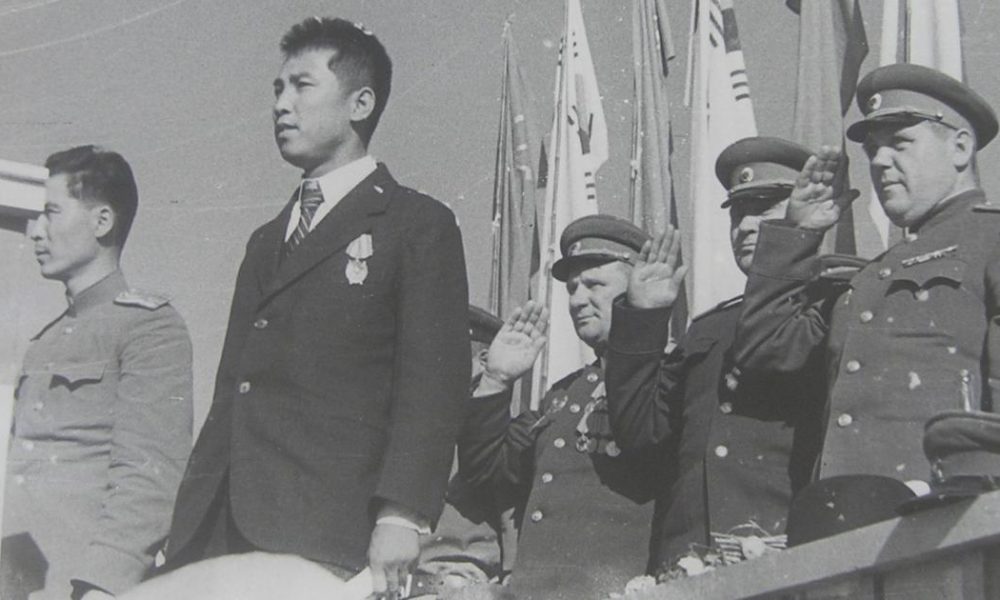
In June 1970, North Korea made a significant diplomatic move by welcoming a high-profile delegation from the Communist Party of India (Marxist) or CPI(M) at Pyongyang’s Sunan Airport. The arrival was marked by the presence of Choe Yong-gon, the nominal head of state, who rolled out the red carpet for three prominent Indian communist leaders: EMS Namboodiripad, Promode Dasgupta, and Puchalapalli Sundarayya. Interestingly, the visit took place without the accompaniment of Indian political heavyweights such as President VV Giri or Prime Minister Indira Gandhi, which raised eyebrows among observers.
The CPI(M) delegation was treated to an extensive itinerary that highlighted North Korea’s attempt to foster closer ties with Indian communists. The Indian diplomats stationed in Pyongyang, along with their Soviet counterparts, were taken aback by the warm reception. Soviet officials were particularly puzzled as to why the CPI(M) was chosen over the more Moscow-aligned Communist Party of India (CPI). This unexpected choice by North Korea demonstrated its strategy of diversifying alliances in Asia during a politically turbulent period.
Throughout their two-week visit, the CPI(M) leaders were granted special privileges, including accommodations at the State Guest House in Pyongyang. Their experience was further enriched by cultural performances designed to showcase North Korean artistry, reflecting an effort to impress foreign guests. The delegation toured significant locales such as the military demarcation line and the port city of Wonsan, enhancing their understanding of North Korea’s geopolitical situation.
However, the CPI(M) delegation’s absence from the 20th-anniversary celebrations of the Korean War raised questions about the depth of their engagement. North Korean officials had likely anticipated a stronger commitment, which was not realized. This nuanced interaction hinted at the complexities of Cold War diplomacy in the region, where India was navigating its own foreign relations while engaging with historical allies.
North Korea’s outreach to the CPI(M) can be seen as part of its broader strategy to strengthen ties with various leftist movements worldwide while simultaneously cultivating a relationship with Pakistan, its ally against shared adversaries. This maneuvering in the political landscape of Asia underscores the intricate dynamics of international relations during a pivotal era.
Source: scroll.in



No Comment! Be the first one.