

Delhi’s Air Quality Plummets into ‘Poor’ Category Amid Winter Challenges
The air quality in Delhi has taken a significant downturn, officially entering the ‘poor’ category as reported on Wednesday morning. At 8:15 AM, the average Air Quality Index (AQI) for...

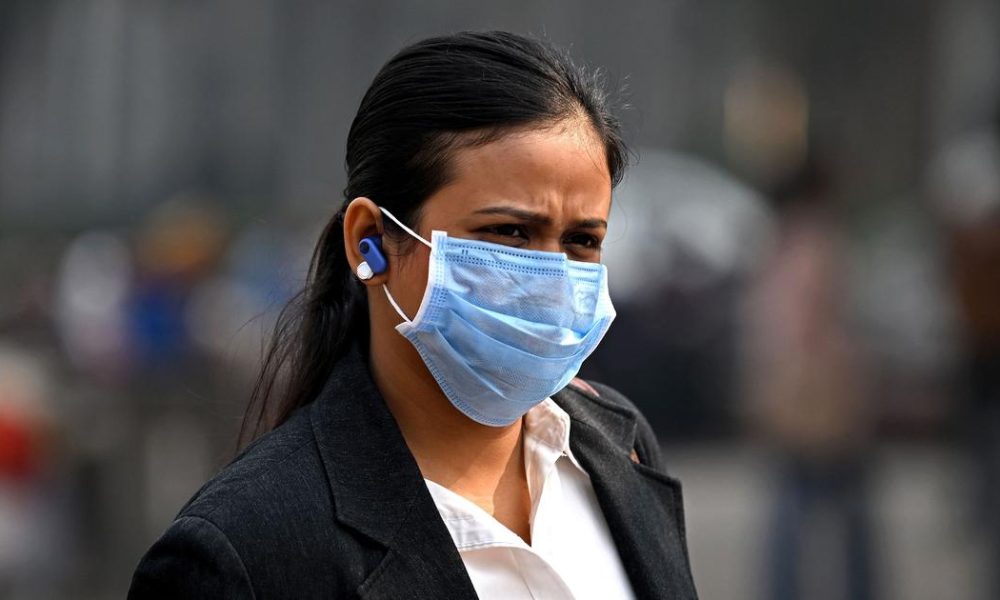
The air quality in Delhi has taken a significant downturn, officially entering the ‘poor’ category as reported on Wednesday morning. At 8:15 AM, the average Air Quality Index (AQI) for the national capital stood at 230, as per data from the Sameer application, which is operated by the Central Pollution Control Board and offers real-time updates on air quality conditions.
A concerning trend was noted with 41 out of 56 active monitoring stations across Delhi recording air quality levels categorized as ‘poor’ or worse. The Pusa area registered the most alarming AQI figure of 318, marking the highest level witnessed in the city since mid-July. This deterioration in air quality is a stark reminder of the seasonal challenges that the capital faces.
Surrounding regions are not faring any better. In Uttar Pradesh, Ghaziabad reported a poor AQI of 222, while Greater Noida reached 248, and Noida recorded 203. Haryana’s Gurugram also experienced compromised air quality with an AQI of 204. Although Faridabad remained relatively better with a moderate AQI of 124, the overall regional trend indicates a growing concern.
As winter approaches, Delhi’s air quality typically sees a significant decline, positioning it as one of the most polluted capitals globally. Several factors contribute to this annual crisis, including stubble burning in neighboring states like Punjab and Haryana, increased vehicular emissions, and the hazardous effects of firecracker usage during Diwali celebrations. Additionally, falling temperatures and reduced wind speeds exacerbate the situation, trapping pollutants in the atmosphere. Emissions from various industries and coal-fired power plants further contribute to these critical air quality issues.
The Air Quality Index operates on a scale where values between 0 and 50 denote ‘good’ air quality, 51 to 100 is deemed ‘satisfactory’, and 101 to 200 is classified as ‘moderate’. As the index values rise, the air quality deteriorates considerably. An AQI reading of 201 to 300 is categorized as ‘poor’, which poses health risks to vulnerable populations, especially children and those with pre-existing respiratory conditions. Authorities and health experts continue to urge residents to take precautions and limit outdoor activities during periods of poor air quality.
Source: scroll.in







No Comment! Be the first one.