

The Enduring Legacy of Devadasis: Resilience Amidst Social Stigma in Bharatnatyam History
The history of Bharatnatyam, one of India’s classical dance forms, is deeply intertwined with the lives of devadasis, women who were traditionally dedicated to temple service and dance. For...

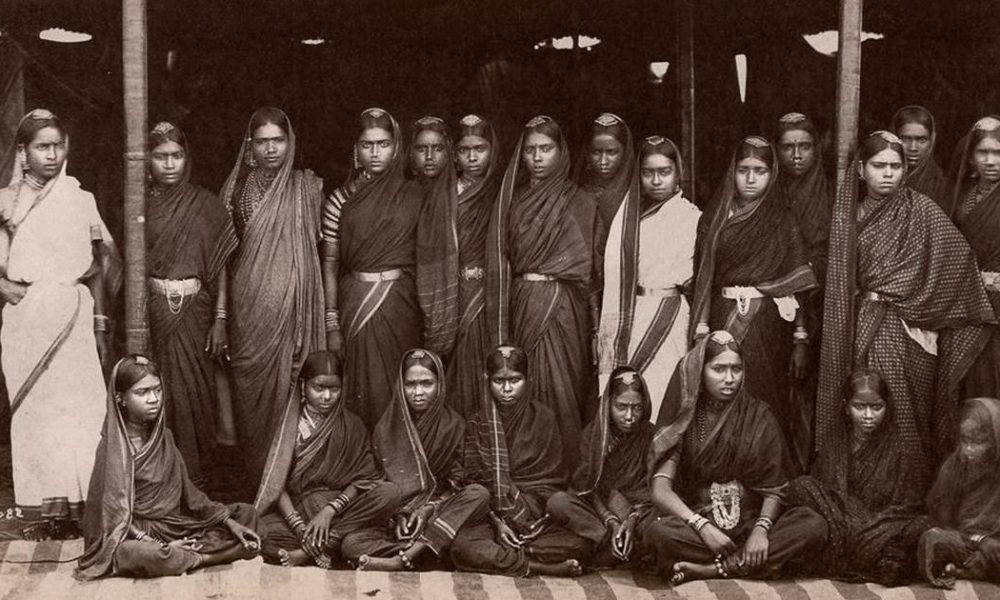
The history of Bharatnatyam, one of India’s classical dance forms, is deeply intertwined with the lives of devadasis, women who were traditionally dedicated to temple service and dance. For centuries, these women have faced significant social ostracism and moral scrutiny, yet their resilience has allowed them to weather societal challenges and preserve their art. The narrative of the devadasis is not just one of cultural richness but also of struggle against the backdrop of colonial education policies and societal biases.
During the 19th century, specifically with the advent of the East India Company’s educational reforms as outlined in Wood’s Despatch of 1854, the landscape of schooling in India began to shift. This document emphasized the importance of female education in colonial India, yet the vision it portrayed was far removed from the reality of devadasis. The focus on education was primarily directed towards girls from affluent backgrounds, particularly those belonging to Christian or higher caste Hindu families, leaving little room for the children of devadasis who were often marginalized due to their social standing.
As early as the 1820s, efforts to establish girls’ schools in regions like the Madras Presidency were underway, but their elitist outlook meant that the daughters of dancing women were systematically excluded. This exclusion was not merely a matter of policy but reflected the ingrained societal prejudices against devadasis, a stigma that persisted well into the 20th century. A notable instance occurred in 1904 when Muthulakshmi Reddy, a trailblazer in women’s rights and an advocate against dance-related legislation, faced opposition for her college admission on account of her lineage as a descendant of devadasis.
The missionaries involved in education at the time were often guided by their own biases, viewing the devadasi community through a lens of moral judgment rather than recognizing their cultural contributions. Despite their sophisticated artistry and the elegance of their performances, the devadasis were often relegated to the margins of society, their skills and heritage undervalued. This complex interplay of art, caste, and gender has had lasting repercussions, shaping not just the lives of these women but also the evolution of Indian classical dance itself.
Today, as Bharatnatyam gains global recognition, it is essential to acknowledge the devadasis’ contributions. Their struggles reflect a broader narrative of women’s rights, social reform, and cultural preservation in India. By understanding their history, we can foster a more inclusive appreciation of Bharatnatyam, celebrating not just the art form but also the women who bravely carried its legacy through generations of adversity.
Source: scroll.in







No Comment! Be the first one.