

Former Justice S Muralidhar Criticizes Custody of CJP Leaders as Threat to Civil Liberties
On October 13, the Delhi Police apprehended two leaders of the Cockroach Janta Party (CJP), Ashutosh Ranka and Saurav Das, during a symbolic protest at Jantar Mantar in Central Delhi. This...

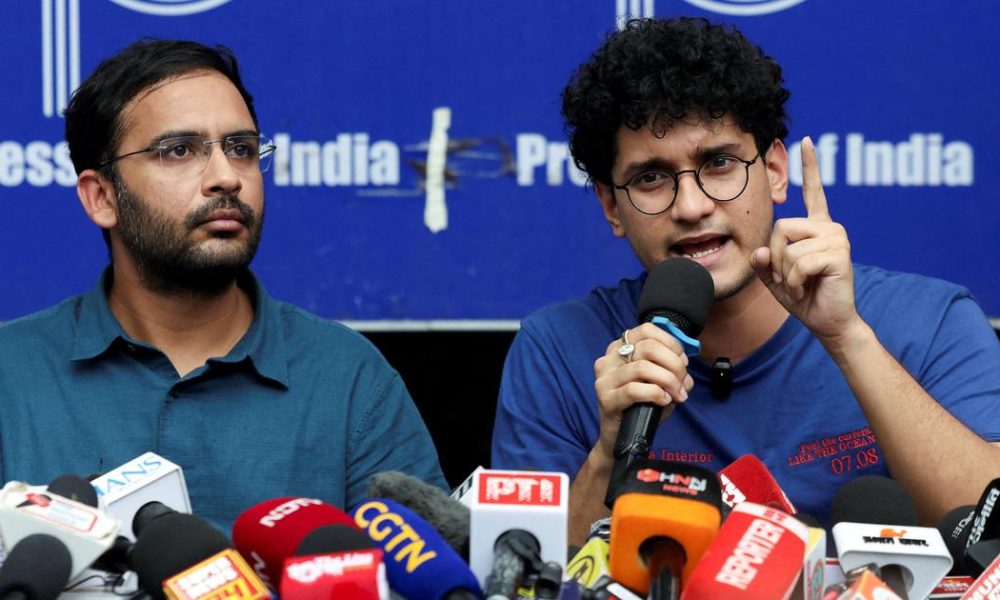
On October 13, the Delhi Police apprehended two leaders of the Cockroach Janta Party (CJP), Ashutosh Ranka and Saurav Das, during a symbolic protest at Jantar Mantar in Central Delhi. This demonstration, which featured the Indian national flag, took place just a day after the area was officially denotified as a protest site. Following their arrest, both individuals were remanded to Tihar Jail after an executive magistrate determined they had violated terms of their peace bonds.
These peace bonds were previously signed by Ranka and Das after their detention at Delhi airport on October 10, where they intended to stage a protest against Chief Election Commissioner Gyanesh Kumar. Under Section 126 of the Bharatiya Nagarik Suraksha Sanhita, executive magistrates have the authority to compel suspects to sign such bonds, which are often perceived as a preventive measure against potential disturbances. However, this provision has been a cause of contention among lawyers and civil rights activists, who argue that the police frequently exploit it to gain powers that should be reserved for the judiciary.
Former Delhi High Court Justice S Muralidhar has been vocal about the misuse of this provision by the police. In a notable case from 2018, Justice Muralidhar criticized the Delhi government for unlawfully detaining a resident named Narender under similar circumstances. He highlighted that executive magistrates can only remand suspects to custody for a maximum of seven days, thus pointing out the limitations that should be in place to protect individual rights.
The detention of Ranka and Das has reignited debates surrounding civil liberties and the extent of police powers in India. Many observers have raised eyebrows at the timing and nature of their arrest, suggesting that it may reflect a broader trend of suppressing dissent. Activists argue that the right to protest is a fundamental aspect of democracy, and any infringement on this right must be scrutinized carefully.
As the situation evolves, legal experts and human rights advocates are calling for a reassessment of the laws governing preventive detention and executive powers. The ongoing case of Ranka and Das serves as a crucial reminder of the delicate balance between maintaining public order and safeguarding individual freedoms in a democratic society.
Source: scroll.in






No Comment! Be the first one.