

Delhi High Court Overturns Order for Disclosure of Foreign Travel Details of Modi and Singh
The Delhi High Court has overturned a ruling by the Central Information Commission (CIC) that mandated the Indian Air Force (IAF) to release information regarding the overseas travel of Prime...

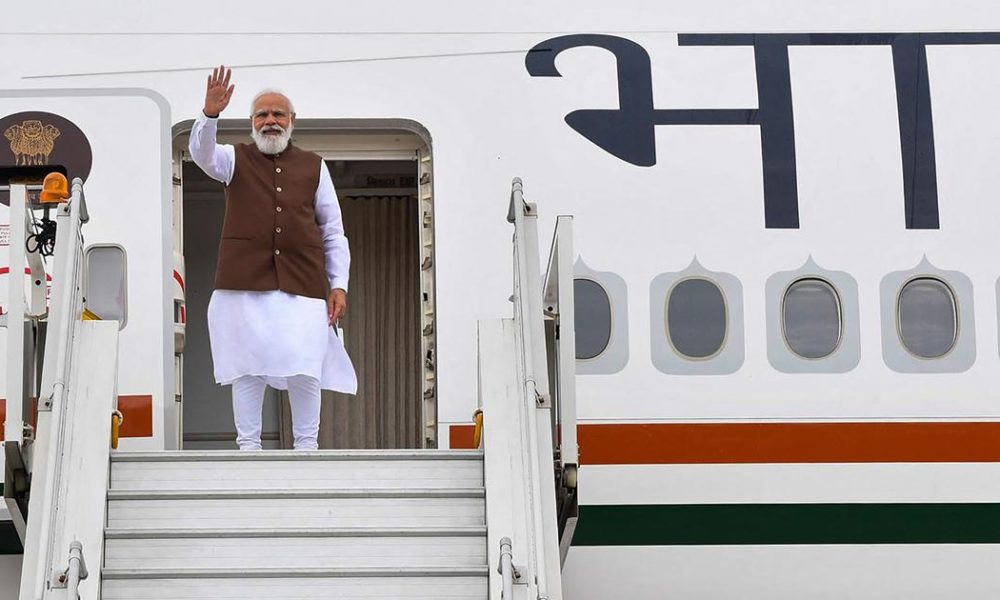
The Delhi High Court has overturned a ruling by the Central Information Commission (CIC) that mandated the Indian Air Force (IAF) to release information regarding the overseas travel of Prime Minister Narendra Modi and former Prime Minister Manmohan Singh. This decision, announced on Monday, stems from a prolonged legal battle initiated by Lokesh K Batra, a former Navy officer and Right to Information (RTI) activist, who had sought access to detailed records of trips undertaken by the two leaders on IAF aircraft from April 2013 to June 2018.
Batra’s request included specifics such as the type of aircraft used, names of crew members, and the identities of security personnel accompanying the prime ministers during their travels. The case, which has been pending before the court since 2020, initially saw the Delhi High Court place a stay on the CIC’s order that called for the disclosure of this sensitive information.
The IAF contested the CIC’s directive, arguing that the details requested were of a highly sensitive nature due to their implications for the security of the prime ministers. The court acknowledged the concerns raised, emphasizing that merely citing the utilization of public funds for these trips does not automatically warrant the release of information that could endanger the safety of the leaders.
On Thursday, Batra contended that the financial aspects of the foreign visits should be made public, asserting that transparency in the use of taxpayer money is of paramount importance and serves the greater public interest. However, the court maintained that public interest must be balanced against security considerations, ultimately ruling in favor of the IAF’s position.
This ruling raises pertinent questions about the extent of transparency expected from public officials, particularly regarding security-sensitive information. It also highlights the ongoing tension between the public’s right to know and the necessity of safeguarding national security. The case has ignited discourse among citizens and advocates for transparency, who argue that government travel funded by taxpayers deserves scrutiny.
Source: scroll.in







No Comment! Be the first one.