

Drought Devastates Maharashtra’s Beed District: Rural Employment Scheme Falls Short
October has traditionally been a month of optimism in Maharashtra’s Beed district, with abundant reservoirs, thriving crops, and the anticipation of harvests. However, this year presents a starkly...

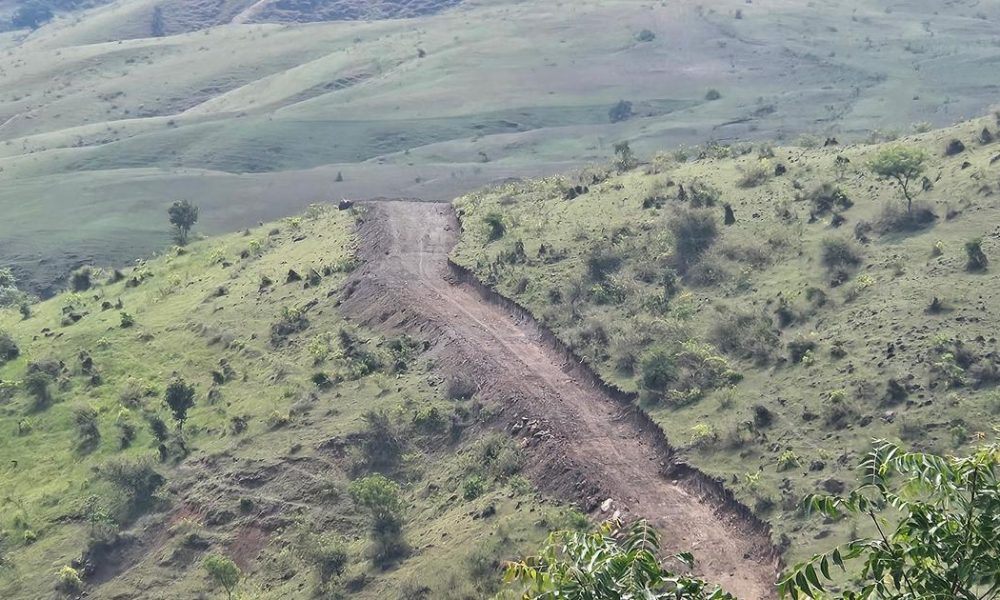
October has traditionally been a month of optimism in Maharashtra’s Beed district, with abundant reservoirs, thriving crops, and the anticipation of harvests. However, this year presents a starkly different picture, leaving many residents grappling with severe drought and limited employment opportunities. The Marathwada region, home to Beed, is facing an unprecedented crisis, with over two-thirds of Maharashtra’s tehsils—304 out of 358—declared drought-hit due to a significant 18% deficit in monsoon rainfall. In Beed, the situation is even more dire, with a staggering 37% shortfall, marking the worst drought conditions in a decade, according to district collector Vivek Johnson.
The situation has taken a toll on local farmers like Satish Shirsath, who owns a single acre of land in Chumbali village. The lack of rainfall during July, August, and September severely impacted his soybean harvest. The meager crop yield resulted in only Rs 10,000 in market returns, a far cry from the Rs 20,000 he invested. Faced with crop failure, Shirsath was forced to seek alternative sources of income.
In August, Shirsath turned to the newly revised rural employment guarantee scheme, known as the Viksit Bharat-Gurantee for Rozgar and Ajeevika Mission (Gramin) or VB-G RAM G scheme, which promised a lifeline for many in similar situations. He managed to earn Rs 3,000 for six days of labor digging a canal. However, since that initial stint, job opportunities have dwindled, leaving him and his family in a precarious position.
By mid-October, with no further work prospects in sight, Shirsath and his wife decided to venture out of Chumbali in search of employment, traveling 350 km to Sangli. This journey reflects the harsh realities faced by countless families in rural Maharashtra as they navigate the impacts of climate change and ineffective support systems. The VB-G RAM G scheme, while well-intentioned, appears to be falling short of addressing the urgent needs of those impacted by the drought.
The struggles faced by residents in Beed highlight the critical need for more robust and sustainable rural employment initiatives that can provide consistent support during times of crisis. As Maharashtra grapples with the consequences of climate variability, it is imperative for the government to reassess and strengthen rural job schemes to ensure that they effectively meet the needs of farmers and laborers affected by such devastating environmental conditions.
Source: scroll.in







No Comment! Be the first one.