

Assam Government Evicts Over 1,100 Muslim Families from Lutumari Forests in Controversial Demolition Drive
The Assam government has undertaken a significant demolition operation, which has resulted in the eviction of more than 1,100 Muslim families residing in the Lutumari Longjap Reserve Forest, located...

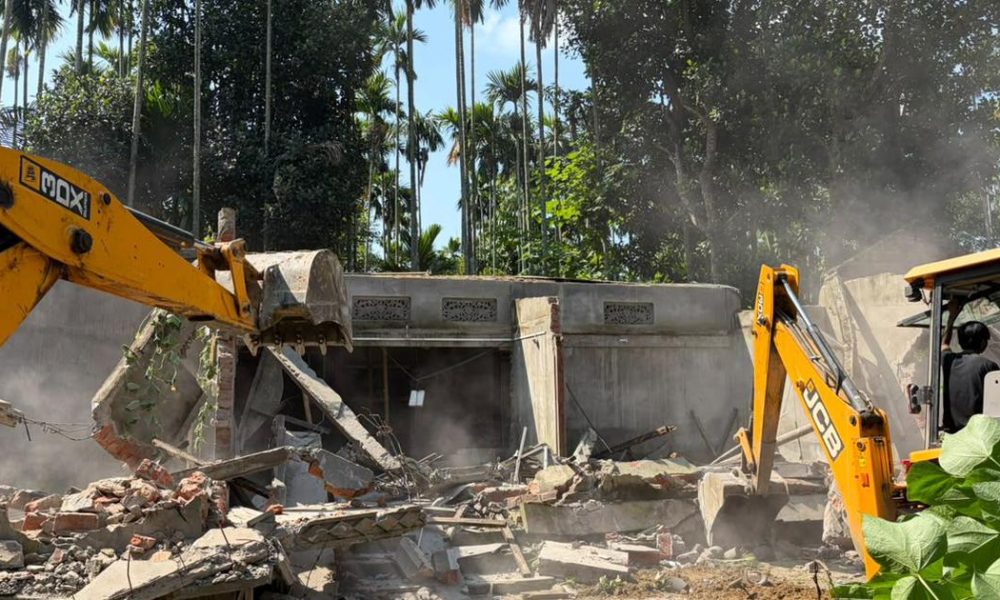
The Assam government has undertaken a significant demolition operation, which has resulted in the eviction of more than 1,100 Muslim families residing in the Lutumari Longjap Reserve Forest, located in the Nagaon district. This initiative, which commenced over the weekend, has drawn considerable attention and raised questions regarding land rights and the treatment of marginalized communities in the region.
On Sunday, authorities demolished the homes of over 600 families within the reserve. This followed an earlier operation on Saturday, which led to the eviction of 547 families across three districts: Nagaon, Golaghat, and Hojai. Many of those affected by this drive are Bengali Muslims, who have lived in these areas for decades, claiming that they were settled there by the government itself.
Residents assert that their roots in the Lutumari area date back to a government settlement scheme initiated in 1974, wherein landless families were allocated plots of land for housing and cultivation. Abdul Noor, a 44-year-old local whose home was demolished, shared that his family is originally from Juria town and was among those designated land in light of their previous status as landless. “We were settled by the government, and now we’ve lost everything,” he lamented, highlighting the plight of countless families caught in this eviction.
The demolition drive, which was carried out under heavy security, has sparked outrage among the affected communities and human rights advocates. Many of the evicted families have expressed their disillusionment, claiming they are not encroachers but rather victims of governmental policy shifts and bureaucratic oversight. As the families continue to challenge these evictions in court, they face an uncertain future without any immediate recourse.
The broader implications of these actions reflect a growing trend in Assam and other parts of India, where land disputes often intersect with communal identities and socio-economic statuses. The government’s stance asserts that the removal is aimed at protecting forest land from encroachment, yet many argue that it disproportionately impacts vulnerable populations who have long called these lands home. As this situation unfolds, it raises critical questions about land rights, social justice, and the role of government in addressing the needs of its most marginalized citizens.
Source: scroll.in







No Comment! Be the first one.