

Preserving the Syncretic Heritage of India’s Classical Music
Two decades ago, during an academic gathering in Lahore, I had an enlightening conversation with a budding classical vocalist. This artist demonstrated remarkable dedication, traveling weekly to...

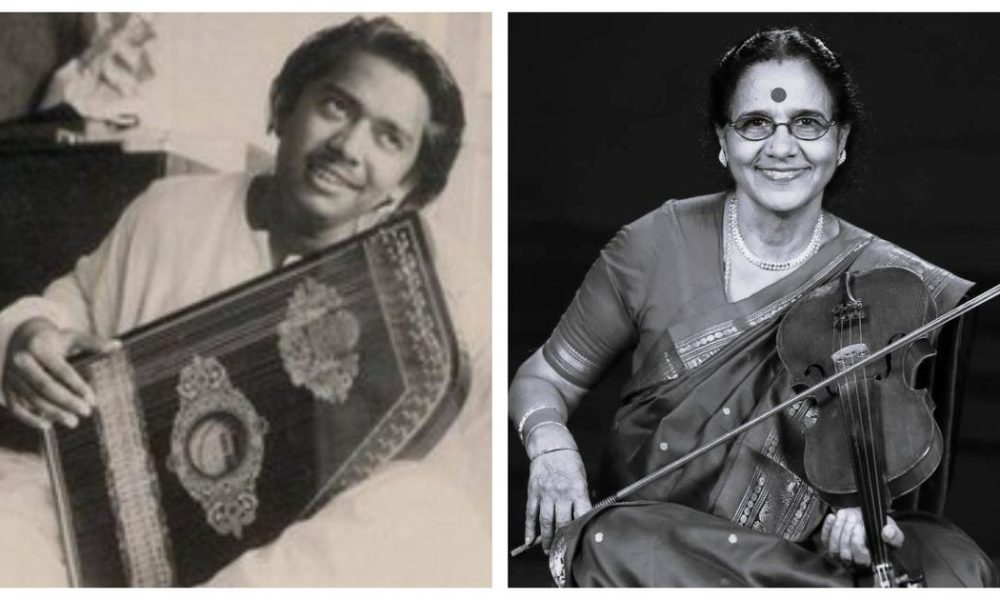
Two decades ago, during an academic gathering in Lahore, I had an enlightening conversation with a budding classical vocalist. This artist demonstrated remarkable dedication, traveling weekly to Karachi for lessons with a revered teacher. Despite my inability to sing, my passion for Hindustani classical music has been unwavering. However, I was taken aback when the young vocalist shared that his mentor had disparaged a particular raga, labeling it as ‘belonging to the Hindus.’ This assertion was not only surprising but also highlighted a misunderstanding of the rich, interwoven heritage of Indian classical music.
In India, the boundaries between different musical styles and religious influences have historically been fluid. I felt compelled to inform the young singer that such divisions are non-existent among Indian classical musicians. A notable example is Roshanara Begum, a revered artist who continued to perform ragas like Shankara and Durga even after moving to Pakistan, despite these ragas being named after Hindu deities. This exemplifies the deep-rooted tradition of cultural exchange and mutual respect that characterized the musical landscape of undivided India.
Another significant figure, Salamat Ali Khan, who also resided in Pakistan, performed the thumri ‘Nadiya Kinare Mora Gaon,’ elucidating the love story of Radha and Krishna. These examples demonstrate that prior to the Partition, the musical practices in the subcontinent were marked by an effortless blend of diverse influences, transcending religious boundaries. Such instances serve as a reminder that music has always been a medium for unity rather than division.
The syncretic nature of Indian classical music is not just an artistic legacy; it is a vital component of our cultural identity. The blend of various traditions, languages, and religious practices has given rise to a unique musical heritage that reflects our shared history. As we move forward, it becomes imperative to preserve this rich tapestry, encouraging dialogue and collaboration between musicians of different backgrounds.
In a world increasingly defined by divisions, the enduring legacy of India’s classical music can serve as a model for unity, reminding us of our common roots. It is essential to foster an environment where such cultural exchanges are celebrated and protected. The preservation of this syncretic heritage is not merely an act of nostalgia; it is a commitment to ensuring that future generations inherit a musical tradition that embodies inclusivity and harmony.
Source: scroll.in




No Comment! Be the first one.