

Supreme Court Labels Nadia District Notice to Mahua Moitra as Retaliatory
In a significant development, the Supreme Court of India has characterized a directive issued by the Nadia district magistrate as “seemingly retaliatory” towards Trinamool Congress MP...

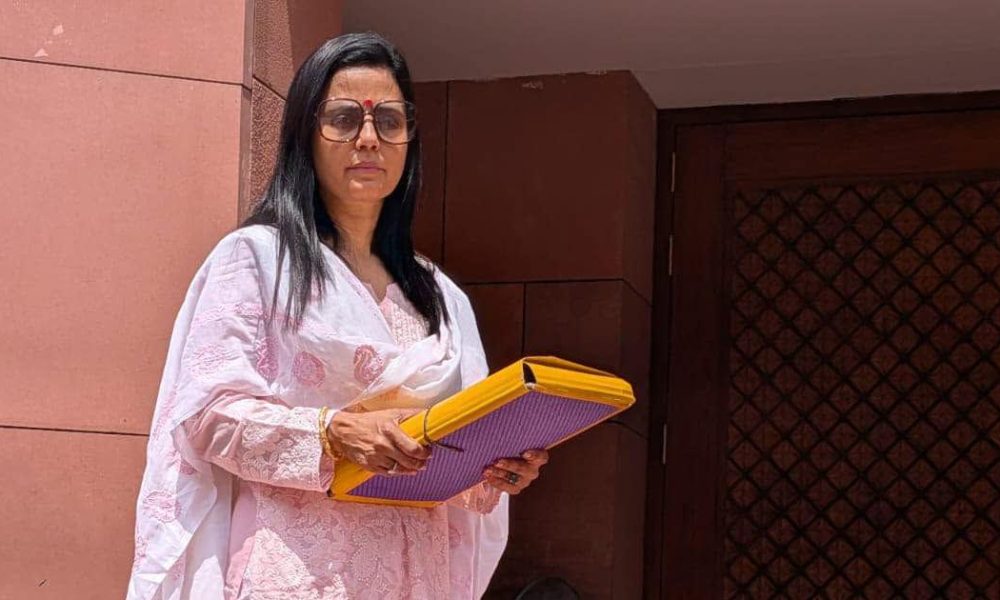
In a significant development, the Supreme Court of India has characterized a directive issued by the Nadia district magistrate as “seemingly retaliatory” towards Trinamool Congress MP Mahua Moitra and other legislators. This remark came following Moitra’s petition regarding an incident that unfolded on the night of August 14, when she was reportedly asked to vacate her accommodation at the circuit house in Krishnanagar.
Chief Justice Surya Kant, heading the bench that reviewed the case, instructed Moitra to notify the district administration at least a day in advance of her visits to ensure her requests for accommodations are handled according to established protocols. The incident in question has sparked debates over the treatment of elected officials and the role of local government authorities in their accommodation.
Moitra, who represents the Krishnanagar constituency in the Lok Sabha, recounted her experience via social media platforms. She arrived at the circuit house around 6:30 PM and was assigned her usual room. However, just a few hours later, at approximately 9:47 PM, she claims she was instructed to vacate the premises, coinciding with a gathering outside the circuit house chanting slogans like “Jai Shri Ram.” In her view, this was not merely an administrative action but an orchestrated effort to intimidate her as an elected representative.
Expressing her concerns, Moitra emphasized that as a Member of Parliament, she is entitled to stay at government accommodations, questioning the motives behind the district authorities’ decision to remove her under such circumstances. Following the distressing episode, she has reached out to Lok Sabha Speaker Om Birla, seeking intervention in this issue, which she perceives as a matter of her rights as a public servant.
The Supreme Court’s acknowledgment of the situation as potentially retaliatory highlights ongoing tensions between political figures and local administrative bodies. It raises larger questions about the autonomy of public representatives and the measures they can take to ensure their safety and rights are upheld. As the legal proceedings continue, the implications of this case will likely resonate throughout the political landscape in West Bengal.
Source: scroll.in







No Comment! Be the first one.