

Navigating Identity: A Professor Reflects on the Challenges of Being a Woman, Dalit, and Disabled
In a reflective account from her memoir, a professor shares her experiences growing up in Srinivaspuri, a neighborhood where she lived next door to the Goel family. The professor recalls Seema, the...

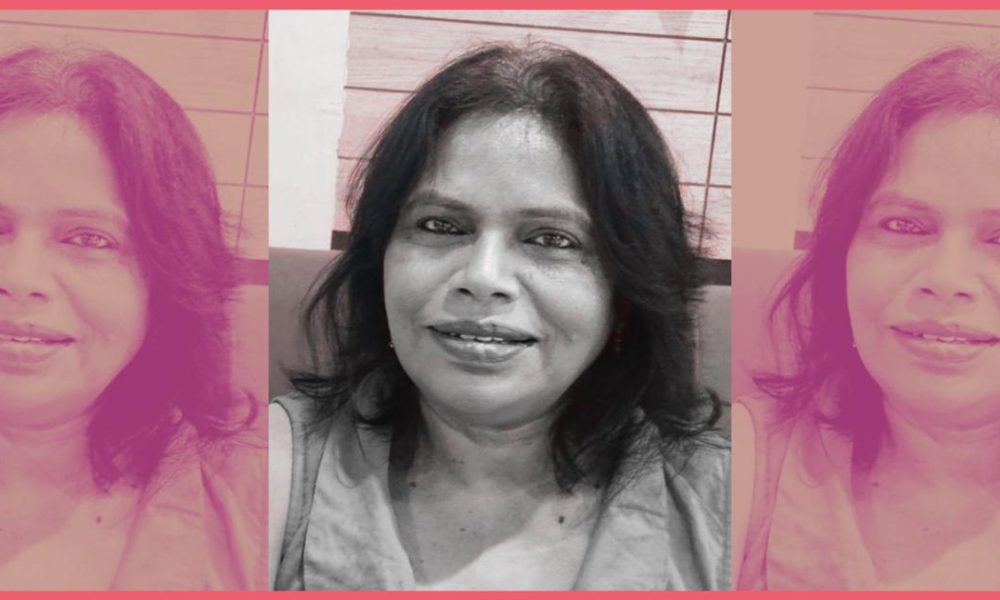
In a reflective account from her memoir, a professor shares her experiences growing up in Srinivaspuri, a neighborhood where she lived next door to the Goel family. The professor recalls Seema, the Goel’s daughter, who was her peer, while the Goel sons were of similar age to her brothers. Mrs. Goel frequently visited their home, engaging in long conversations with her mother, which created a sense of community and camaraderie.
The young girl was drawn to the Goel household not only for her friendship with Seema but also for the treasure trove of children’s magazines that the family subscribed to. Titles like Champak, Chanda Mama, and Nandan captivated her imagination. The sheer excitement of waiting for their arrival each month became a highlight of her childhood, as she often read them voraciously even before the Goel children could get their hands on them. This early exposure ignited a profound love for literature within her.
As she reflects on her past, the professor acknowledges that this early passion for reading laid the groundwork for her intellectual growth. However, she faced significant barriers at home. Her family held conservative views regarding literature, perceiving it as a potential source of distraction that could lead children astray. This lack of encouragement created a challenging environment for her burgeoning love of reading and learning.
Despite the limitations imposed by her family, the professor’s quest for knowledge and literary enrichment did not wane. Instead, it grew stronger, pushing her to seek out additional resources and opportunities. The act of reading became not just a pastime but a means of empowerment, allowing her to explore new ideas and perspectives that were otherwise unavailable to her.
Her memoir serves as a poignant reminder of the intersectional struggles faced by many women in India today, especially those belonging to marginalized communities. The triple burden of being a woman, Dalit, and disabled encapsulates a larger narrative about resilience and the pursuit of self-identity amidst societal constraints. This reflection not only personalizes her journey but also sheds light on the broader issues of gender and caste discrimination in Indian society, making a compelling case for the importance of literature and education in overcoming these challenges.
Source: scroll.in



No Comment! Be the first one.