

Exploring the Vibrant Palette of Kamal Amrohi’s Timeless Classic ‘Pakeezah’
‘Pakeezah’, directed by the renowned Kamal Amrohi, is not merely a film; it is an artistic journey into the depths of love, loss, and the intricate interplay of colors that reflect the...

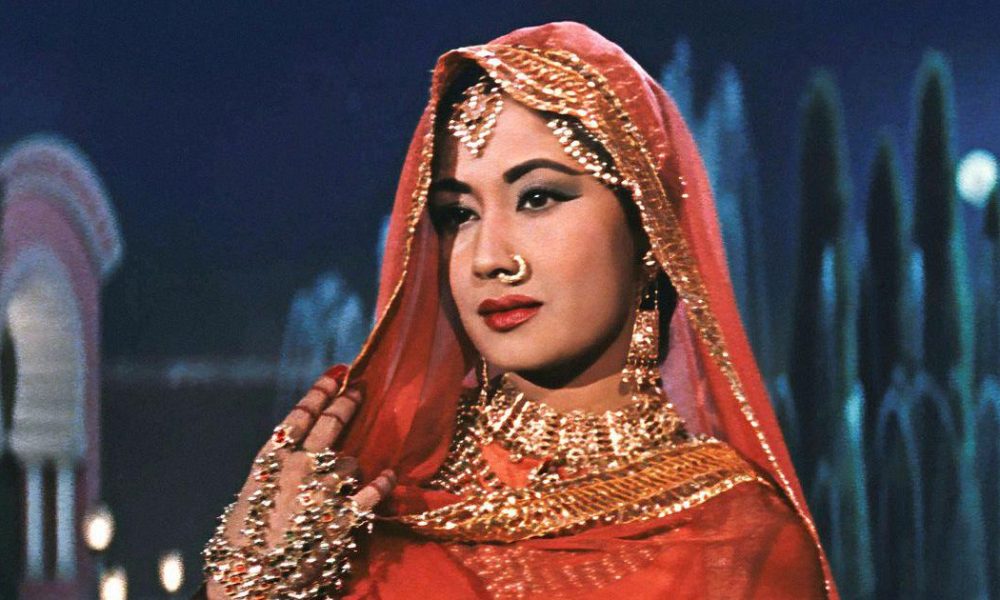
‘Pakeezah’, directed by the renowned Kamal Amrohi, is not merely a film; it is an artistic journey into the depths of love, loss, and the intricate interplay of colors that reflect the characters’ emotional landscapes. Set against the backdrop of the early 20th century, this iconic film tells the story of Nargis, a courtesan caught in the throes of her profession and a doomed romance with Shahabuddin, her aristocratic lover.
The film opens with poignant references to color, serving as a metaphor for psychological states. Nargis, who dreams of a pure love, envisions a home painted white—symbolizing both innocence and hope. As she fantasizes about her future adorned in a bridal red, it becomes evident that societal constraints and her profession stand as formidable barriers to their union. Tragically, this leads to her untimely demise, leaving Shahabuddin cloaked in black, signifying his mourning not only for Nargis but also for the future that could have been.
As the narrative progresses, the audience is introduced to Sahebjaan, the daughter of Nargis and Shahabuddin. She becomes a prominent figure in Delhi’s pleasure district, captivating her clientele with vibrant costumes in hues of flame orange, coral pink, and emerald green. Yet, despite her outward allure, Sahebjaan harbors a deep longing to be known as “pakeezah”—a term that embodies purity and respect within a world often dismissive of her kind. Her character’s duality is poignantly depicted through her wardrobe choices; while she dazzles on stage, off it, she often wears white, an expression of her inner desire for acceptance and dignity.
‘Pakeezah’ holds a revered place in the annals of Indian cinema, widely celebrated for its breathtaking cinematography and musical score. Interestingly, many may not know that the film was originally shot in black and white over a staggering 15-year production period before Amrohi made the groundbreaking decision to reshoot it in color. Released in 1972, ‘Pakeezah’ continues to resonate with audiences, captivating new generations with its rich visual storytelling and emotional depth.
Ultimately, ‘Pakeezah’ stands as a testament to Kamal Amrohi’s artistic vision, blending sumptuous visuals with poignant narrative themes. The film invites viewers to reflect on the complexities of love, societal stigma, and the quest for purity amidst the vivid tapestry of life.
Source: scroll.in






No Comment! Be the first one.