

Sheikh Hasina Criticizes Bangladesh PM’s Absence at BRICS Summit as Short-sighted
In a recent interview with PTI, former Prime Minister Sheikh Hasina expressed her disapproval of current Prime Minister Tarique Rahman’s decision to skip the BRICS summit held in New Delhi last...

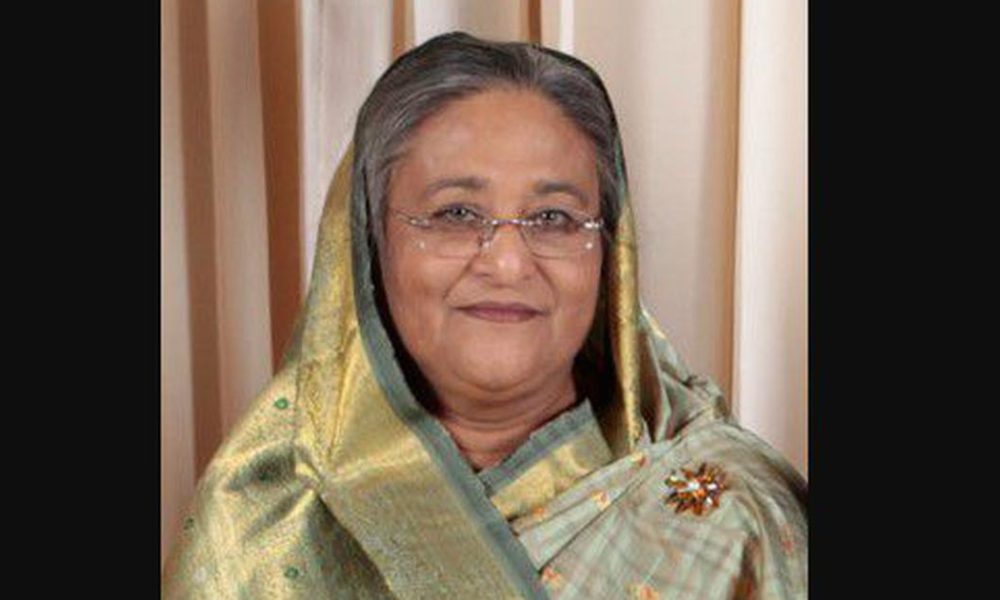
In a recent interview with PTI, former Prime Minister Sheikh Hasina expressed her disapproval of current Prime Minister Tarique Rahman’s decision to skip the BRICS summit held in New Delhi last month. Hasina described the move as ‘immature’ and detrimental to the national interests of Bangladesh.
Hasina, who has been in Delhi since her government fell in August 2024 amid widespread student protests, emphasized that it would be ‘deeply unfortunate’ if her own presence influenced Rahman’s choice to forgo the summit. She remarked that relying on ‘short-term political calculations’ could ultimately be counterproductive for the country. The former leader stressed that diplomatic relations should not be dictated by personal dynamics or the political sensitivities surrounding individual figures.
The absence of a Bangladeshi representative at the summit was officially communicated by State Minister for Foreign Affairs Humaiun Kobir, who claimed that Rahman was ‘not invited’ to attend the meeting. However, it was later clarified that Bangladesh had actually received two separate invitations from Indian Prime Minister Narendra Modi—one for a bilateral visit and the other for Rahman, representing his role as chairperson of the Bay of Bengal Initiative for Multi-Sectoral Technical and Economic Cooperation (BIMSTEC).
The BRICS summit held on September 12 and 13 was an important platform for international dialogue, with significant participation from countries such as India, Brazil, Russia, and China, making the decision not to attend even more contentious. Bangladesh, which assumed the chairmanship of BIMSTEC in April 2025 for a two-year term, could have leveraged its presence to strengthen regional ties and foster collaborative efforts.
Analysts suggest that Rahman’s absence at the summit could have wider implications for Bangladesh’s diplomatic relationships, particularly in the context of its ongoing engagement with major powers in the region. The political landscape in Bangladesh remains volatile, and the decisions made by its leadership could significantly impact its foreign relations moving forward.
Source: scroll.in





No Comment! Be the first one.