

Confronting the Climate Crisis: Understanding the Urgent Threat of Climate Change
The ongoing climate crisis stands as the most formidable challenge confronting humanity today. This issue, often termed a global polycrisis, is the result of a multitude of interconnected factors...

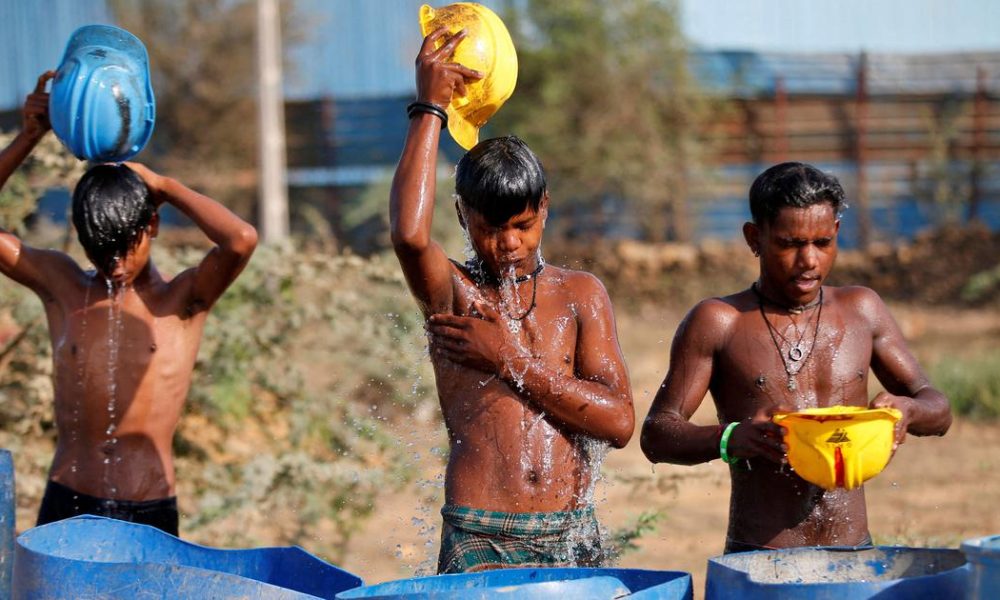
The ongoing climate crisis stands as the most formidable challenge confronting humanity today. This issue, often termed a global polycrisis, is the result of a multitude of interconnected factors that exacerbate environmental instability. At the heart of this crisis is climate change, which is becoming increasingly severe and complex, affecting every aspect of our planet’s ecological framework.
The Earth’s climate operates through a delicate network involving sunlight, atmospheric conditions, land surfaces, water bodies, frozen regions, and living organisms. These elements interact through intricate natural cycles that govern our ecological balance. Over the past century, significant advancements in climate science have illuminated our understanding of these processes. Notably, the late Wallace Broecker, a pioneering figure in the field, famously likened human interference with these natural systems to “playing Russian roulette,” suggesting that the full consequences of our actions remain largely unknown and could lead to catastrophic outcomes.
As we transitioned into the era of fossil fuel-driven economic growth in the late 20th century, awareness of climate issues began to surface. By the early 1980s, scientific evidence started to highlight the detrimental effects of human activity on the climate. However, the initial response from many governments and corporations was one of skepticism and denial. This culture of denial persists even today, fueled by a so-called denial industry that promotes the misguided belief that climate change is not supported by legitimate scientific evidence.
Currently, we find ourselves in the midst of a climate emergency, a critical situation that has roots in the larger interconnected polycrisis affecting global ecosystems. The urgency of this crisis is underscored by drastic weather patterns, rising sea levels, and increasing natural disasters, all of which threaten livelihoods and the very fabric of societies worldwide, including India. The Indian subcontinent, with its diverse ecosystems and dense populations, is particularly vulnerable to these changes, facing challenges such as flooding, droughts, and altering agricultural patterns.
Recognizing the multifaceted nature of climate change is essential for effective action. As citizens, communities, and nations, we must collectively strive for solutions that not only address immediate environmental threats but also foster sustainable economic growth. Initiatives such as renewable energy projects, afforestation programs, and sustainable agricultural practices can pave the way for a more resilient future. It is imperative that we confront the climate crisis head-on and reject the myths propagated by the denial industry to ensure a sustainable world for generations to come.
Source: scroll.in







No Comment! Be the first one.