

The Intricacies of Relocating Wildlife: Challenges and Lessons Learned
Relocating wild animals is often viewed as a straightforward conservation strategy, particularly when certain regions are overpopulated while others struggle to maintain their wildlife. The idea of...

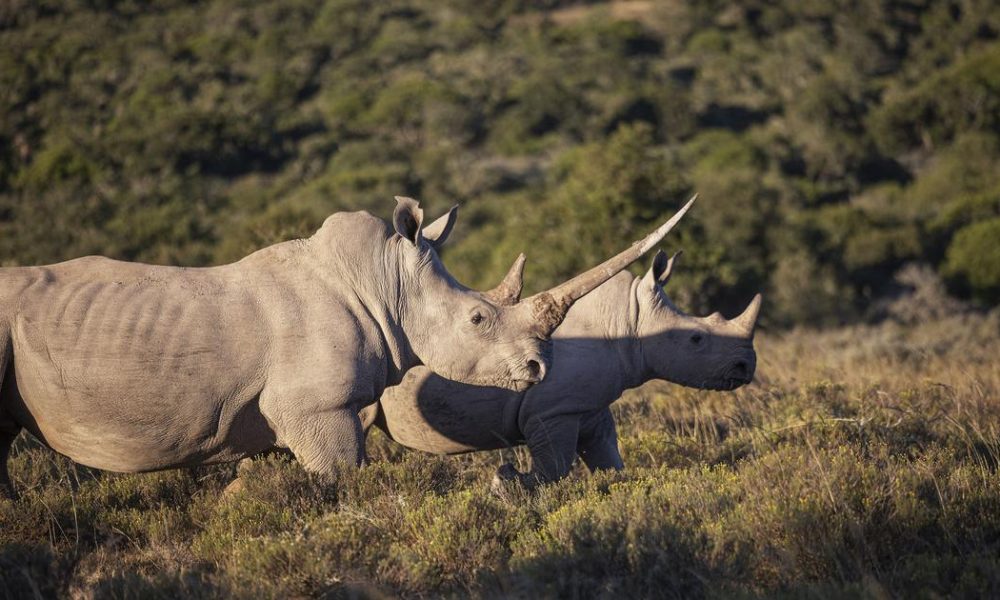
Relocating wild animals is often viewed as a straightforward conservation strategy, particularly when certain regions are overpopulated while others struggle to maintain their wildlife. The idea of transferring large animals like elephants and rhinos can seem appealing, yet the complexities that arise during and after such moves can be significant. This autumn, a notable initiative is set to take place in South Africa, where 12 rhinos will be relocated from a stable reserve in the North West Province to the Waterberg region, aimed at bolstering rhino populations in a new protected area.
This relocation effort is not merely a logistical challenge; it carries a wealth of implications for animal welfare and ecological balance. The team involved in the move is committed to conducting thorough research post-relocation to monitor the rhinos’ adaptation and ensure their survival in the Waterberg area. However, history has shown that previous relocation efforts have not always been as successful as hoped.
A case in point is the 2022 relocation of 263 elephants from Malawi’s Liwonde National Park to Kasungu National Park, approximately 350 kilometers away. While the intention was to replenish a dwindling elephant population in Kasungu, which had been devastated by decades of poaching, the results were far from ideal. Although moving elephants from a thriving Liwonde made logistical sense, the aftermath of their release revealed unforeseen complications.
The experience from this endeavor highlighted several critical factors that conservationists must consider. Elephants are not just large animals; they possess intricate social structures and behavior patterns. When relocated, they may struggle to adjust to new environments and social dynamics, leading to stress and potential conflict with resident populations. Moreover, the isolated nature of protected areas in Malawi poses additional challenges, as these animals may find it difficult to adapt to the altered landscapes and ecosystem interactions.
As India faces its own challenges in wildlife conservation, particularly with its own populations of elephants and rhinos, the lessons learned from these relocations in Africa provide valuable insights. Conservation strategies must be multifaceted, factoring in not only the numbers but also the social and ecological aspects of the species being relocated. Ensuring a seamless transition for animals and preserving the integrity of ecosystems they are introduced into are paramount for successful conservation efforts.
Source: scroll.in







No Comment! Be the first one.