

India’s Journey Towards Net Zero Emissions by 2070: Challenges and Opportunities
India, one of the fastest-growing economies in the world, has committed to achieving net zero carbon emissions by the year 2070. This ambitious target raises critical questions about feasibility,...

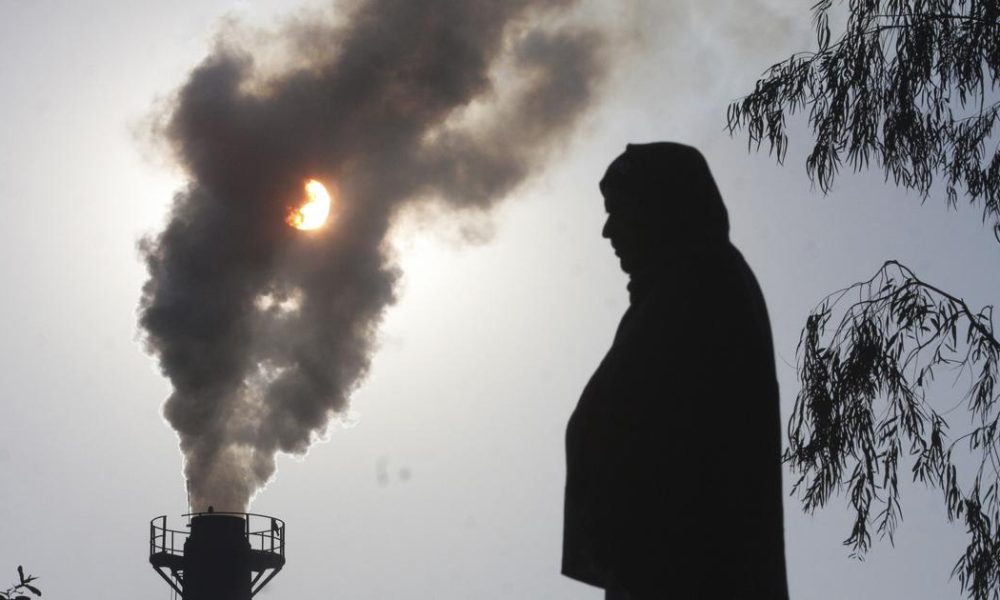
India, one of the fastest-growing economies in the world, has committed to achieving net zero carbon emissions by the year 2070. This ambitious target raises critical questions about feasibility, particularly given the country’s current energy consumption patterns and reliance on fossil fuels.
As of now, India’s per capita energy consumption stands at less than 40% of the global average, indicating substantial room for growth. However, the backbone of its energy system remains largely coal-dependent, a major contributor to greenhouse gas emissions. Additionally, oil serves as the primary fuel for transportation, while biomass is predominantly used for residential cooking and heating.
In 2019, India’s total primary energy supply (TPES) was recorded at 734 million tons of oil equivalent (Mtoe). Notably, over half of this energy supply was met through domestic production. The total final consumption (TFC) of energy was 410 Mtoe, with the industrial sector representing the largest share at 42%. This dependence on traditional energy sources poses significant challenges for the country’s transition to cleaner alternatives.
To attain the net zero goal, India must focus on two critical areas: enhancing the contribution of cleaner energy sources and promoting the electrification of industrial processes. Currently, electricity constitutes just over a quarter of India’s total final energy consumption. As of July 2024, the country’s electricity generation capacity reached 448 GW, with hydropower accounting for 10.47% and nuclear power for 1.82%. Both of these renewable sources, however, face limitations in their potential for scaling up capacity.
Experts agree that while there are varying models and assumptions in studies regarding the transition to cleaner energy, the emphasis remains clear: India needs to prioritize the development of renewable energy resources and electrify its industrial operations. Achieving net zero emissions by 2070 will not only require a significant policy shift but also substantial investment in technology and infrastructure. Ultimately, the success of this initiative will depend on the collective efforts of the government, private sector, and society at large.
Source: scroll.in







No Comment! Be the first one.