

The Complex Life of Lama Alak Drong Amidst Chinese Colonization
Lama Alak Drong, known by the intriguing moniker ‘Drong’ or ‘Wild Yak’, presents a striking figure against the backdrop of historical Tibet. His distinctive...

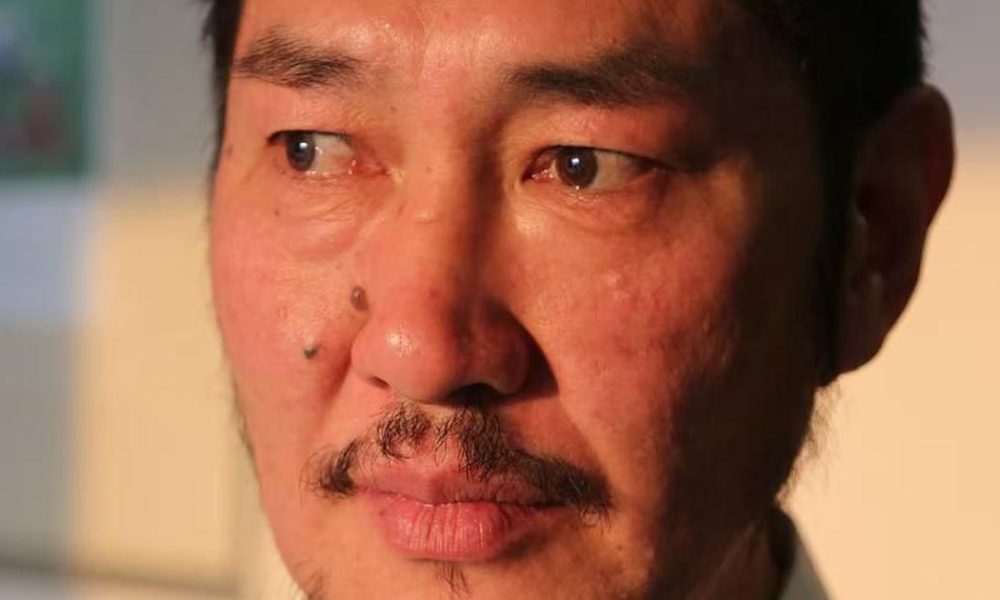
Lama Alak Drong, known by the intriguing moniker ‘Drong’ or ‘Wild Yak’, presents a striking figure against the backdrop of historical Tibet. His distinctive style—complementing black crystal sunglasses with a gold ring embedded with agate—might suggest a wealthy businessman at first glance. Yet, closer inspection reveals his true identity as a lama, a spiritual leader shaped by the turbulent tides of history.
Dressed in a traditional brown Chinese suit and adorned with a fur coat featuring a lynx collar, Drong’s appearance encapsulates the cultural fusion and strife of his time. His short-cropped hair, a yellow undershirt peeking from beneath his suit, and a simple rosary around his wrist signal his deep-rooted connection to spiritual rituals and sacred vows. However, these symbols of holiness stand in stark contrast to his current lifestyle, which has deviated significantly from the austere path typically associated with lamas.
As China’s colonization efforts intensified, the very essence of Tibetan spirituality faced unprecedented challenges. Alak Drong’s life, once centered on piety and devotion, transformed into a complex narrative of survival and adaptation. With one wife, two mistresses, and three children—including a son born outside wedlock—his personal life mirrors the upheaval experienced by Tibetans during this tumultuous period. Furthermore, Drong oversees a monastery housing 241 monks, a significant number of whom have renounced their vows amid the societal changes sweeping through the region.
The number of Drong’s followers has swelled to over 26,300, reflecting a community in flux, navigating the harsh realities of colonial rule while striving to maintain their cultural identity. These developments raise pertinent questions about the intersection of faith, tradition, and the pressures of external forces. The resilience of Tibetan spirituality during this era is evident, as many cling to their beliefs even as their societal structures crumble.
In the grand tapestry of Tibetan history, Lama Alak Drong stands as a poignant symbol of a community grappling with loss and adaptation. His life story encapsulates not only the personal struggles of a lama but also the broader narrative of Tibetan resistance and evolution in the face of external domination. As Tibetans continue to navigate their identity against the backdrop of colonization, figures like Drong remind us of the enduring spirit of cultural and spiritual survival amidst adversity.
Source: scroll.in







No Comment! Be the first one.