

Gandhi’s Role as Editor: A Strategic Move to Promote Satyagraha Amidst Government Repression
In the early 20th century, India was at a crucial juncture in its struggle for independence. The principles of non-violence and satyagraha, championed by Mahatma Gandhi, were slowly taking root...

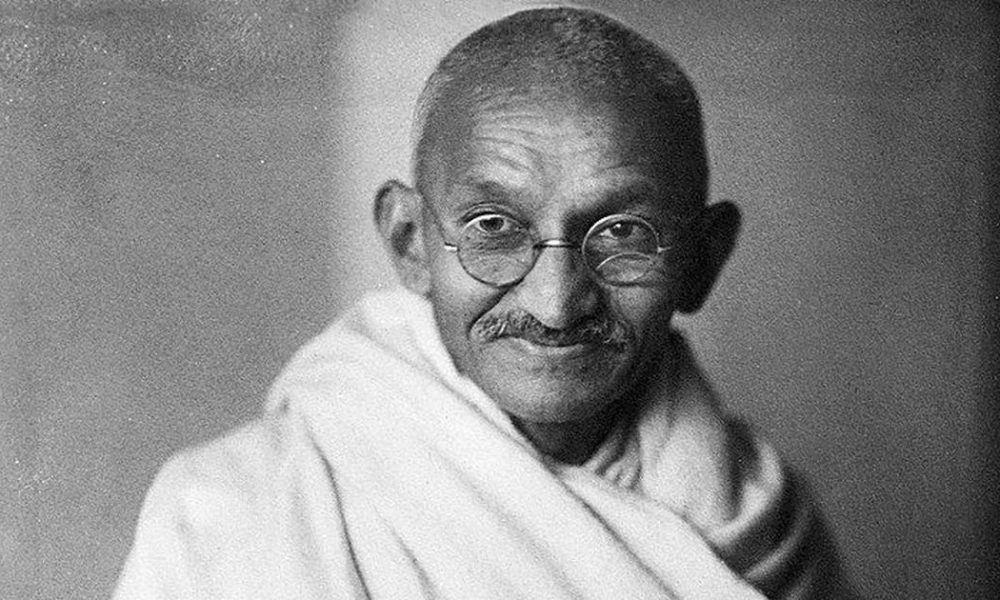
In the early 20th century, India was at a crucial juncture in its struggle for independence. The principles of non-violence and satyagraha, championed by Mahatma Gandhi, were slowly taking root amongst the masses. However, the British government was responding with escalating oppression, particularly evident in the Punjab region, where lawlessness and brutality were rampant.
The government’s heavy-handed actions included the arrest of numerous leaders and the declaration of martial law, which effectively stripped away the legal rights of citizens. Special tribunals were established not as courts of justice but rather as tools for enforcing the arbitrary rules set by the British authorities. These tribunals often handed down sentences that lacked substantiating evidence, further undermining the rule of law.
One of the most shocking episodes of this repression was witnessed in Amritsar, where innocent individuals were subjected to humiliation, forced to crawl on the ground as a form of punishment. Such grotesque displays of power drew attention to the broader injustices occurring across India, overshadowing even the infamous Jallianwala Bagh massacre in the collective mind of the public. Gandhi, deeply moved by the plight of the people, felt an urgent need to act.
Despite the risks involved, Gandhi was encouraged to travel to the Punjab to advocate for civil rights and to challenge the injustices directly. He reached out to the Viceroy, seeking permission to enter the region. Unfortunately, his appeals were met with silence, leaving him with the grim option of civil disobedience as a means to confront the oppressive regime. His commitment to non-violence and justice compelled him to take a stand, even at great personal risk.
Gandhi’s decision to assume the role of editor for two newspapers during this turbulent period was strategic. He believed that through journalism, he could effectively communicate the principles of satyagraha to a broader audience, galvanizing support for the movement and raising awareness about the injustices faced by ordinary Indians. This dual approach—combining direct action with the power of the written word—was aimed at mobilizing the masses and fostering a collective resistance against tyranny.
Source: scroll.in







No Comment! Be the first one.