

Chief Election Commissioner Gyanesh Kumar Under Fire for Controversial Decisions and Conflict of Interest
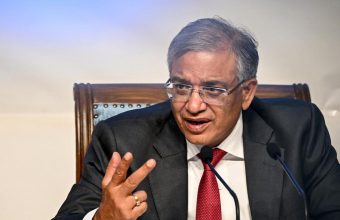
Chief Election Commissioner Gyanesh Kumar is currently facing heightened scrutiny following revelations about his decision-making processes and potential conflicts of interest. An investigation by...

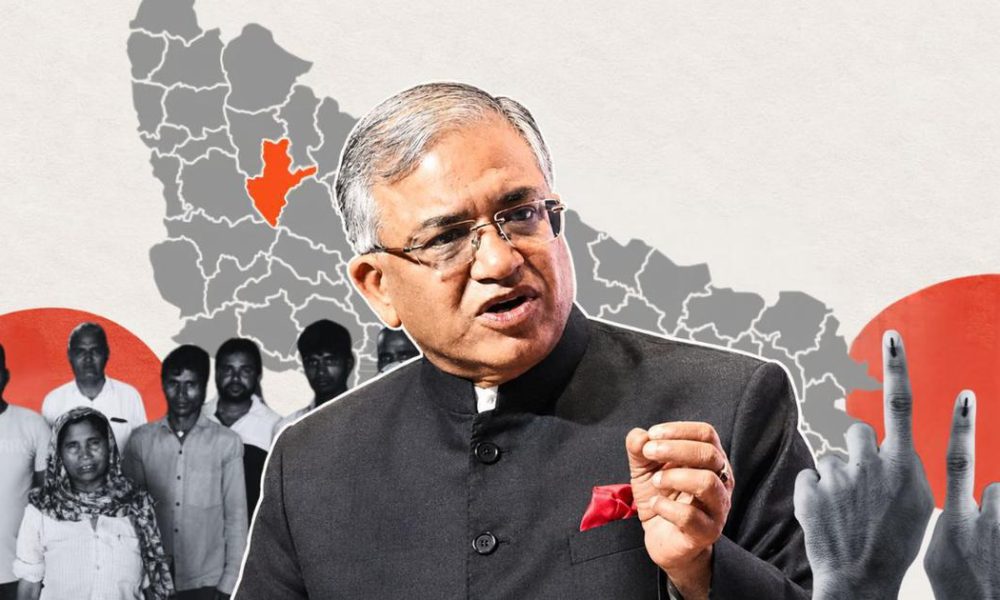
Chief Election Commissioner Gyanesh Kumar is currently facing heightened scrutiny following revelations about his decision-making processes and potential conflicts of interest. An investigation by The Indian Express has brought to light allegations that Kumar made significant electoral decisions without consulting his fellow election commissioners, raising concerns about transparency within the Election Commission of India (ECI).
Additionally, questions have emerged regarding a perceived conflict of interest involving Kumar’s daughter, Medha Roopam, who serves as the District Magistrate of Noida. A recent ruling by a Supreme Court bench, which included Justice Satish Chandra Sharma—whose son acts as standing counsel for the ECI in Madhya Pradesh—has intensified these concerns. This intertwining of personal and professional relationships has led to calls for greater accountability and clarity in the functioning of the ECI.
This isn’t the first incident to raise alarm bells about Kumar’s conduct. During the Lok Sabha elections held on May 7, 2024, disturbing footage surfaced showing Muslim voters being forcibly removed from polling stations in Sambhal, Uttar Pradesh. Eyewitness reports indicated that police were involved in the intimidation of these voters, many of whom were women. Despite numerous complaints from the affected individuals, the Election Commission remained unresponsive, instead siding with the returning officer’s dismissive statement that characterized the footage as “false” and “misleading.”
Interestingly, the returning officer in question, Manish Bansal, is the son-in-law of Gyanesh Kumar, further complicating the narrative and raising eyebrows regarding nepotism within the electoral oversight body. The ECI comprises three commissioners—one Chief Election Commissioner and two election commissioners—who are expected to operate collaboratively to ensure free and fair elections. The allegations of unilateral decision-making and potential familial bias suggest a deviation from this expected standard.
The implications of these developments are significant, as they undermine public trust in the electoral process at a time when maintaining the integrity of democratic institutions is paramount. As the discourse surrounding these allegations continues, many are calling for a thorough investigation into the actions of Gyanesh Kumar and the broader operations of the Election Commission to safeguard the sanctity of the electoral process in India.
Source: scroll.in



No Comment! Be the first one.