

Examining Ahmedabad’s Historical Unwelcoming Nature Towards Public Discourse
The recent discussions surrounding the treatment of book readers in Ahmedabad have sparked a deeper examination of the city’s historical stance on public discourse and inclusivity. While the author...

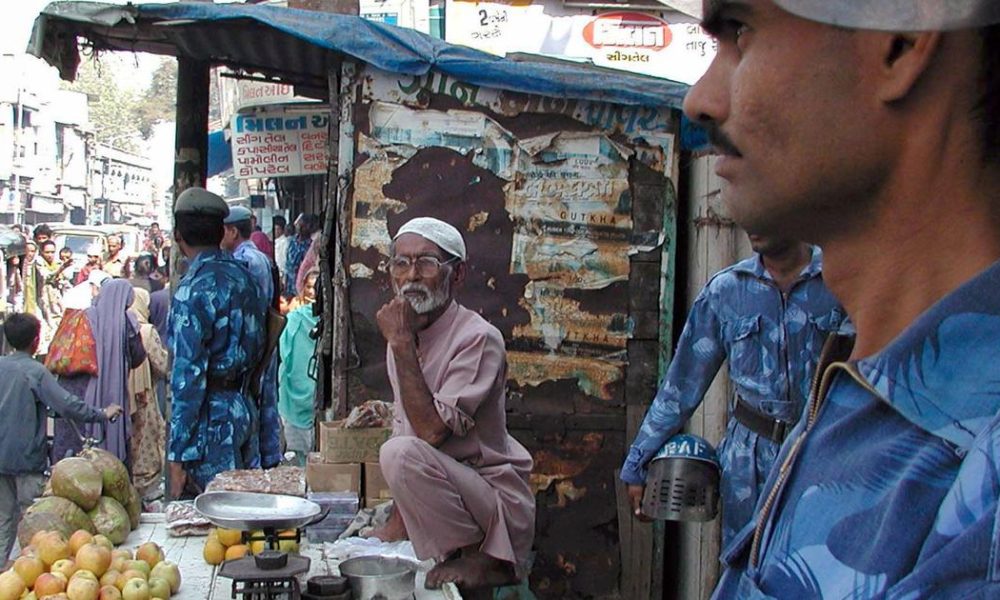
The recent discussions surrounding the treatment of book readers in Ahmedabad have sparked a deeper examination of the city’s historical stance on public discourse and inclusivity. While the author of a recent piece criticizes the city for becoming unwelcoming, it is essential to note that Ahmedabad’s reputation as a non-conducive environment for open dialogue has been longstanding.
Throughout its history, Ahmedabad has often been characterized by a lack of robust public debate and limited support for left-leaning or lower-caste movements. The city’s engagement with liberal ideologies has primarily been superficial, with only a handful of figures like Indulal Yagnik and organizations such as the Citizens’ Initiative advocating for progressive change. This raises questions about the inclusivity of Ahmedabad’s political landscape.
Historical movements in the city, particularly the Navnirman Andolan of 1974 and the anti-reservation protests in the 1980s, saw significant participation from members of the Sangh Parivar and its affiliates. Such involvement indicates a complex relationship between political activism and the prevailing ideologies that have shaped the city. While Mohandas Gandhi’s presence in Ahmedabad from 1915 to 1930 brought a semblance of progressive thought, it was equally influenced by the economic support he received from local citizens and a growing concern over inter-caste and communal tensions.
Gandhi established several crucial institutions in Ahmedabad, including the Textile Labour Association, which aimed to foster peace amidst societal strife. However, even within the textile industry, caste dynamics were evident, with Dalits relegated to specific roles that perpetuated social stratification. They were responsible for spinning cloth but were prohibited from weaving it due to the stigma attached to handling materials that could be deemed ‘impure’ once touched by Dalits. This entrenched hierarchy illustrates the complex nature of caste and its impact on labor and social interactions in the city.
In conclusion, while recent incidents of violence and intolerance have brought Ahmedabad’s reputation into sharper focus, it is crucial to recognize that the city has historically grappled with issues of inclusion and open debate. The ongoing discourse about its unwelcoming nature should serve as a catalyst for reflection and change, enabling a more inclusive future that embraces diverse voices and perspectives.
Source: scroll.in






No Comment! Be the first one.