

Unveiling the Role of Women Activists in Colonial Andhra Pradesh: A New Perspective
The narrative of social reform in colonial Andhra Pradesh is often dominated by male figures, yet a new book sheds light on the vital role played by women activists during this transformative period....

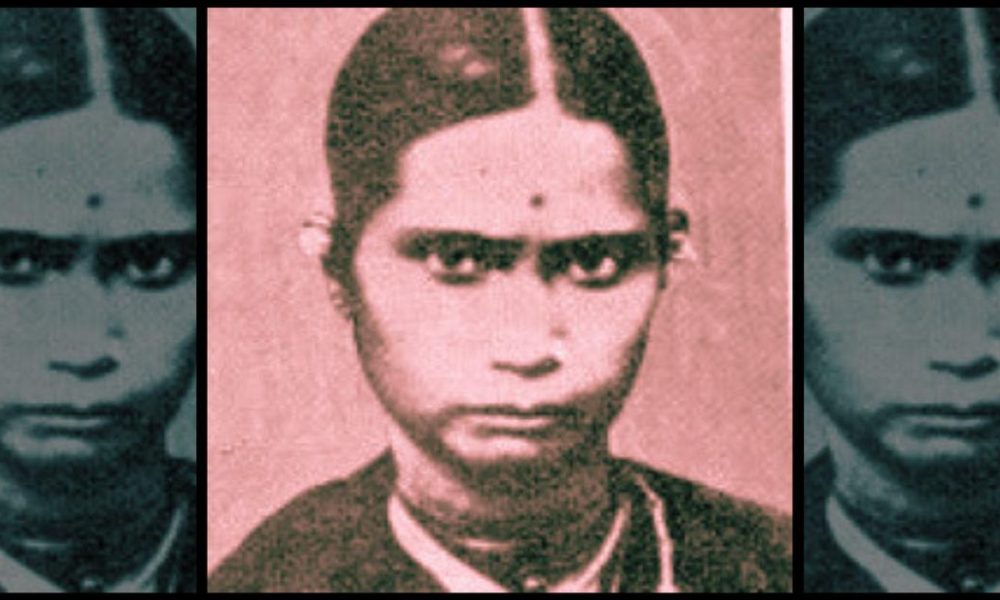
The narrative of social reform in colonial Andhra Pradesh is often dominated by male figures, yet a new book sheds light on the vital role played by women activists during this transformative period. As education began to spread, women gradually became conscious of their societal roles and issues affecting them, seeking to improve their standing in a male-dominated world.
Initially, women were relegated to the background, often seen as mere extensions of their male relatives. However, with the support of progressive fathers, brothers, and husbands, they began to engage in the reform activities led by their male counterparts. This engagement marked the beginning of a significant shift. Women began to assert their independence, challenging the narratives that had kept them in the shadows for so long.
A notable aspect highlighted in the book is how many women activists began to analyze the societal issues that hindered their progress. They identified patriarchal structures as the root of their struggles and staunchly criticized male dominance across various spheres of life. This critique was not just a passive observation; women actively took a stand against discriminatory practices entrenched in social and religious institutions.
Even as the nationalist movement surged, many male leaders sidelined social reform issues, prioritizing political struggle over social justice. In stark contrast, women activists remained committed to both nationalism and social reform, often prioritizing the latter. Their resilience and commitment to social issues reflect a nuanced understanding of the interconnection between social reform and broader struggles for independence.
Pioneering figures like Kandukuri Rajyalakshmamma stand out in this historical context. Recognized as one of the first prominent women social reformers in Andhra Pradesh, Rajyalakshmamma’s life and contributions are emblematic of the spirit of the time. Married to the reformist Veeresalingam, she played a crucial role in advancing his mission and, in many ways, carved out her own identity as a reformer.
This new examination of women activists not only enriches our understanding of historical narratives but also highlights the essential contributions of women to social reform in Andhra Pradesh. As the book unfolds these stories, it prompts a reevaluation of the impact women had during a pivotal era in Indian history, reminding us that the path to progress was paved not only by men but also by the unwavering resolve of women who dared to challenge societal norms.
Source: scroll.in






No Comment! Be the first one.