

Global Dialogue on AI Governance: A Missed Opportunity for Electoral Integrity
In July, representatives from all 193 United Nations member states convened in Geneva for the first-ever Global Dialogue on AI Governance. Over the course of two days, participants engaged in...

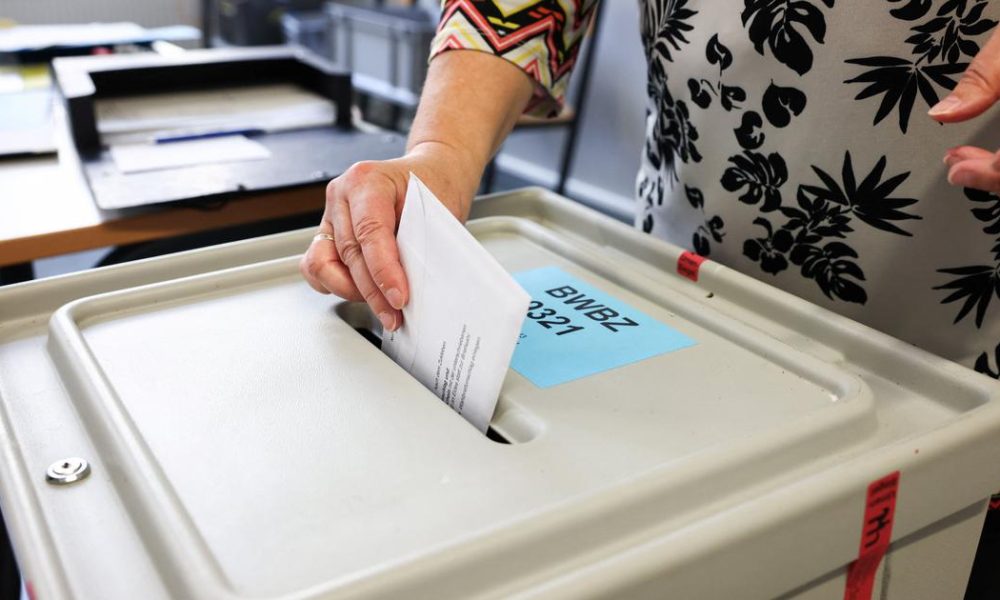
In July, representatives from all 193 United Nations member states convened in Geneva for the first-ever Global Dialogue on AI Governance. Over the course of two days, participants engaged in discussions about the international governance of artificial intelligence. However, a crucial aspect regarding the repercussions of AI on electoral processes was notably overlooked. This oversight could potentially jeopardize advancements in critical areas such as safety, trustworthiness, societal implications, and human rights.
Elections serve as the cornerstone of democracy, enabling citizens to exercise their rights. Yet, discussions surrounding AI in the electoral context often pivot towards concerns about disinformation. A preliminary report from the UN’s Independent International Scientific Panel on AI, intended to inform the Dialogue, echoed this sentiment by focusing primarily on issues of information integrity and the threat of deepfakes aimed at political candidates.
However, the experience of 2024, heralded as a pivotal year for elections, suggested that the fears surrounding deepfake technology may have been exaggerated. This narrow focus on disinformation risks overshadowing more pressing concerns about how AI is integrated into electoral systems. Rather than fixating solely on the implications of AI-generated fake videos, it is essential to examine the broader consequences of AI’s integration in voting technologies, data management, and electoral administration.
As India prepares for its upcoming elections, the need for robust discussions surrounding the ethical use of AI in this critical sector becomes even more urgent. With the rise of digital platforms and AI-driven tools, the potential for manipulating electoral processes increases. Without appropriate governance frameworks, the integrity of the democratic process could be compromised, raising questions about transparency, accountability, and public trust.
The global community must recognize that AI governance in elections is not merely an ancillary issue but a fundamental component of ensuring democracy’s health. Stakeholders, including governments, civil society, and technology firms, need to collaborate on formulating comprehensive strategies that address the multifaceted challenges posed by AI in electoral contexts. Only by prioritizing this dialogue can we ensure that technological advancements serve to enhance, rather than undermine, democratic values.
Source: scroll.in






No Comment! Be the first one.