

East Africa’s Glaciers Facing Permanent Disappearance Amid Climate Change
East Africa’s iconic mountain ranges, including the revered peaks of Mt. Kenya, Kilimanjaro, and the Rwenzori, are undergoing a drastic transformation as their glaciers rapidly recede....

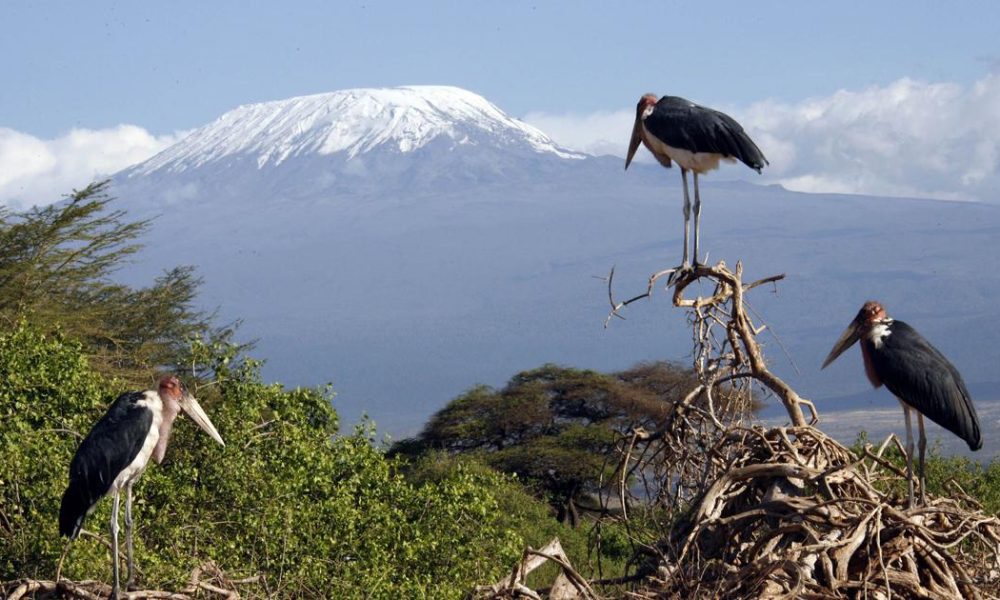
East Africa’s iconic mountain ranges, including the revered peaks of Mt. Kenya, Kilimanjaro, and the Rwenzori, are undergoing a drastic transformation as their glaciers rapidly recede. According to the 2025 State of the Climate in Africa report, the ice coverage on Mt. Kenya alone has diminished by an alarming 96% over the last 115 years. Experts predict that the glacier on this second-highest mountain in Africa could entirely vanish within the next three to five years.
Glacier ice, primarily constituted of centuries of accumulated snow, is a striking feature of these majestic peaks. This snow endures the warmer seasons, with some melting away, while fresh layers accumulate during the wetter months. The intricate interplay between snow accumulation and melting drives the formation and maintenance of glacier ice, which has been a defining characteristic of East Africa’s landscape for millennia.
Historically, the glaciers on these mountains have fluctuated in size due to varying climatic conditions throughout the centuries. While the glaciers themselves may have existed for up to 10,000 years, the current ice is significantly younger, shaped by recent weather patterns. The ongoing retreat of these glaciers, however, is unprecedented and falls well outside the natural variability that has been observed over millennia.
This alarming trend poses a serious threat not only to the stunning landscapes of East Africa but also to the local communities that depend on these glaciers for their water supply. As glaciers recede, they impact the availability of water downstream, which can lead to ecological and economic ramifications for millions of people. Moreover, the loss of these ice caps represents a stark indicator of climate change, highlighting the urgent need for global awareness and action.
As the glaciers continue to retreat, the region must contend with the consequences of shifting ecosystems and changing weather patterns, making it imperative for governments and organizations to develop effective climate adaptation strategies. The situation serves as a crucial reminder of the broader impacts of climate change, calling for collective efforts to mitigate its effects both in East Africa and around the world.
Source: scroll.in






No Comment! Be the first one.