

Kawal Tiger Reserve: A Rich Habitat Yet Lacking Resident Tigers
In the heart of northern Telangana lies the Kawal Tiger Reserve, an expansive sanctuary characterized by dense forests of teak and bamboo, nestled alongside the serene Godavari River. This reserve is...

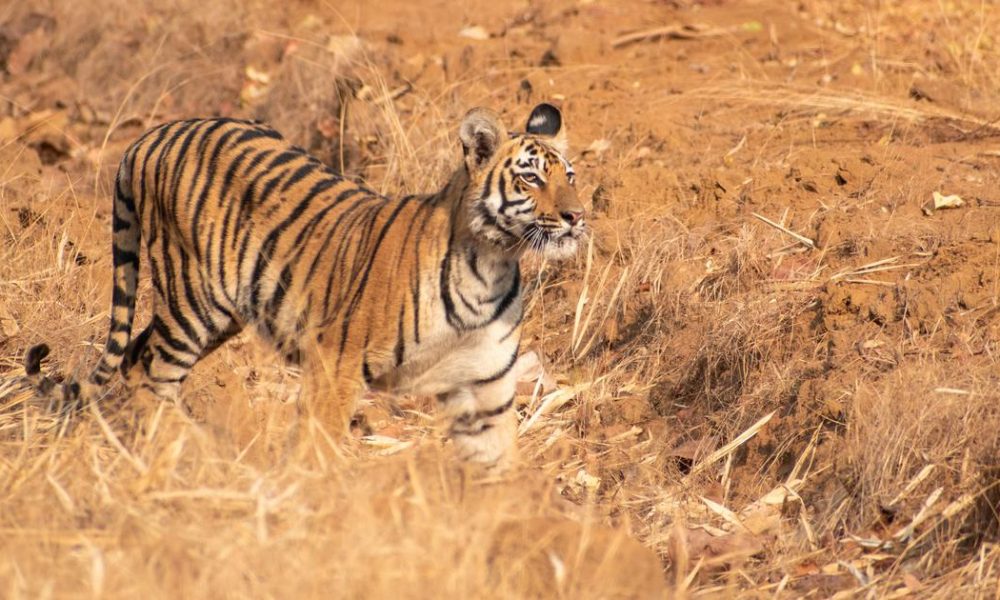
In the heart of northern Telangana lies the Kawal Tiger Reserve, an expansive sanctuary characterized by dense forests of teak and bamboo, nestled alongside the serene Godavari River. This reserve is strategically positioned, acting as a connector between two significant tiger landscapes: the Tadoba-Andhari Tiger Reserve in Maharashtra to the west and Indravati National Park in Chhattisgarh to the east. Despite the ecological significance of Kawal, which is home to a diverse array of fauna including spotted deer, sambar, nilgai, and wild pigs, it faces a perplexing issue—there are no resident tigers.
A comprehensive study spanning 12 years, from 2010 to 2022, has confirmed the stark reality that Kawal has not hosted any permanent tiger population. Researchers utilized systematic line transects to evaluate prey numbers, revealing a steady increase in spotted deer populations over the decade while other species like sambar, nilgai, and chousingha maintained stable numbers. However, despite this abundance of prey, only 15 transient tigers have been recorded entering Kawal from Maharashtra since 2015, with a concerning statistic that only two of these were female.
The unique dynamics of tiger dispersal provide insight into this puzzling absence. According to lead researcher Imran Siddiqui, the differences in behavior between male and female tigers play a crucial role in their migration patterns. Male tigers tend to be more adventurous and assertive, often leaving their maternal territories earlier and exploring new habitats. In contrast, female tigers generally exhibit more cautious behavior, which may hinder their movement into areas like Kawal where the prospect of establishing a breeding population seems limited.
This situation is particularly striking given that neighboring regions have thriving tiger populations, complete with breeding females and their cubs. The lack of a resident population in Kawal raises critical questions about conservation strategies and habitat connectivity in India’s tiger landscape. Effective corridors are essential for ensuring genetic diversity and the survival of these majestic animals, making the absence of tigers in Kawal a matter of concern for wildlife conservationists and ecologists alike.
Source: scroll.in






No Comment! Be the first one.