

Supreme Court Hears Appeals on Electoral Roll Disputes in West Bengal
In a significant development concerning electoral processes in West Bengal, the Supreme Court of India was informed that out of the total 38 lakh appeals lodged with the special intensive revision...

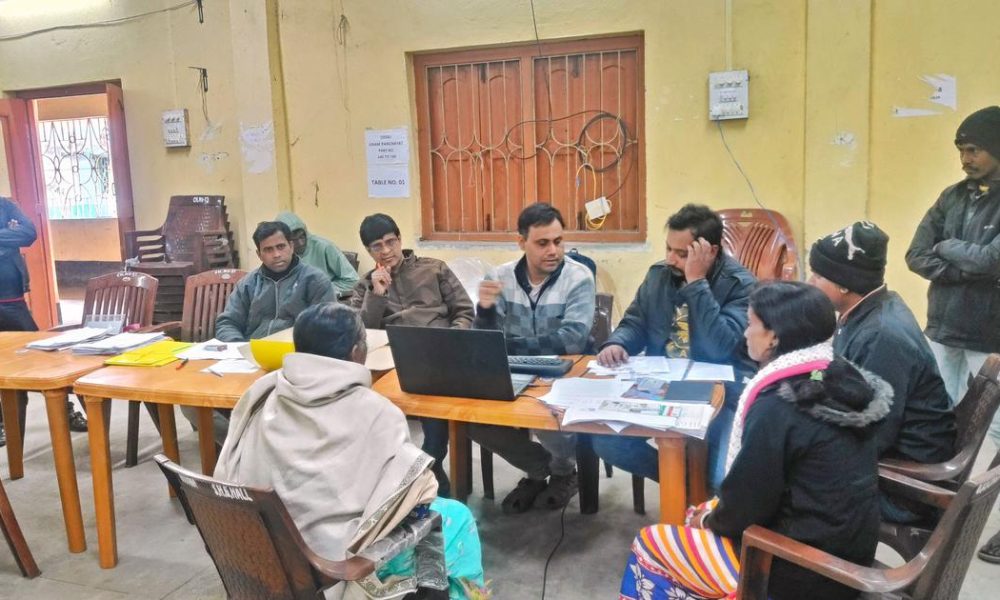
In a significant development concerning electoral processes in West Bengal, the Supreme Court of India was informed that out of the total 38 lakh appeals lodged with the special intensive revision tribunals, only 7 lakh are aimed at challenging deletions from the electoral rolls. Conversely, a staggering 31 lakh appeals contest the inclusion of names in the voters’ list. This revelation came during a hearing on Tuesday, as reported by The Telegraph.
Lawyer Gopal Sankaranarayanan, representing West Bengal Congress leader Prasenjit Bose, highlighted the need for the tribunals to prioritize appeals from individuals who have been removed from the electoral rolls. He pointed out that most of the appeals resolved thus far have favored the voters, with over 90% of the nearly 83,000 cases settled resulting in reinstatement of names in the electoral rolls.
Sankaranarayanan argued that given this precedent, the tribunals should give precedence to those whose names have been unjustly excluded. He emphasized that there exists a discernible pattern where voters eventually gain inclusion after appeal, further underscoring the urgency of addressing these appeals, especially ahead of the upcoming municipal elections slated for December in Kolkata and Howrah.
In his arguments, Sankaranarayanan specifically called for expedited handling of cases from Kolkata and Howrah, two cities poised for crucial local body elections. The lawyer’s appeal comes amid growing concerns regarding the integrity of the electoral process and the need for fair representation in the democratic system.
This situation raises critical questions about the electoral roll revision process in West Bengal and its impact on the voters’ rights. As the state gears up for municipal elections, ensuring that eligible voters are not disenfranchised becomes paramount. The Supreme Court’s decision on how to proceed with these appeals could shape the electoral landscape in the region significantly.
Source: scroll.in




No Comment! Be the first one.