

Akhilesh Yadav Critiques Maharashtra’s Marathi Mandate for Drivers
In a recent statement, Samajwadi Party leader Akhilesh Yadav has voiced strong objections to the Maharashtra government’s new regulation mandating Marathi language proficiency for auto-rickshaw...

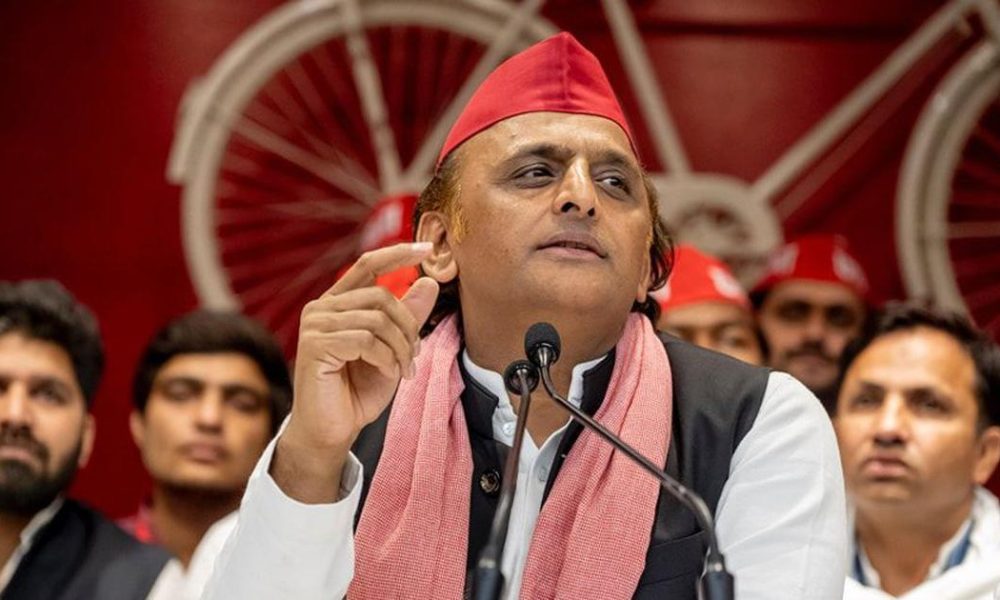
In a recent statement, Samajwadi Party leader Akhilesh Yadav has voiced strong objections to the Maharashtra government’s new regulation mandating Marathi language proficiency for auto-rickshaw and cab drivers. Yadav contended that politicising language not only disturbs the emotional and linguistic unity of the nation but also fosters discord among its citizens.
The directive, introduced by the Maharashtra government on April 14, requires all licensed taxi and auto-rickshaw drivers to possess a basic understanding of Marathi starting May 1. This rule extends to drivers associated with prominent cab aggregators, including Ola, Uber, and Rapido. However, in response to public backlash, the state government postponed the enforcement of this mandate until August 15.
As part of its enforcement strategy, the Maharashtra Transport Department launched a statewide inspection campaign last week. Reports indicate that over 770 drivers have already received notices for failing to demonstrate basic Marathi skills. Moreover, the Regional Transport Office has deployed marshals to conduct language proficiency tests at key locations, such as rickshaw stands and busy junctions. Drivers are subjected to basic inquiries in Marathi, such as “Where do you want to go?” and “Please start the meter,” to assess their language skills.
In his critique, Yadav took to social media, questioning whether the requirement infringes upon the constitutional rights of individuals to conduct their business freely across the nation. He also raised a pertinent issue regarding the fairness of imposing this requirement exclusively on local drivers while foreign companies operating in Mumbai are not subjected to similar language mandates.
This contentious issue has sparked a broader debate in India about the role of regional languages in a diverse nation where multiple languages coexist. Critics argue that such policies could alienate a significant segment of the workforce, especially those who may not be fluent in Marathi. Supporters, on the other hand, claim that understanding the local language enhances communication and improves service quality for local commuters.
The unfolding situation reflects the complexities of language politics in India, a country characterized by its rich tapestry of languages and cultures. As the deadline for implementation approaches, the government faces mounting pressure to reassess its policies in light of public sentiment and the fundamental rights guaranteed to citizens.
Source: scroll.in




No Comment! Be the first one.