

Bangladesh’s Uprising: A Lesson on Political Change and Institutional Challenges
Two years after the significant uprising in July 2021, the political landscape of Bangladesh offers profound insights into the complexities of governance and change. The event, marked by a massive...

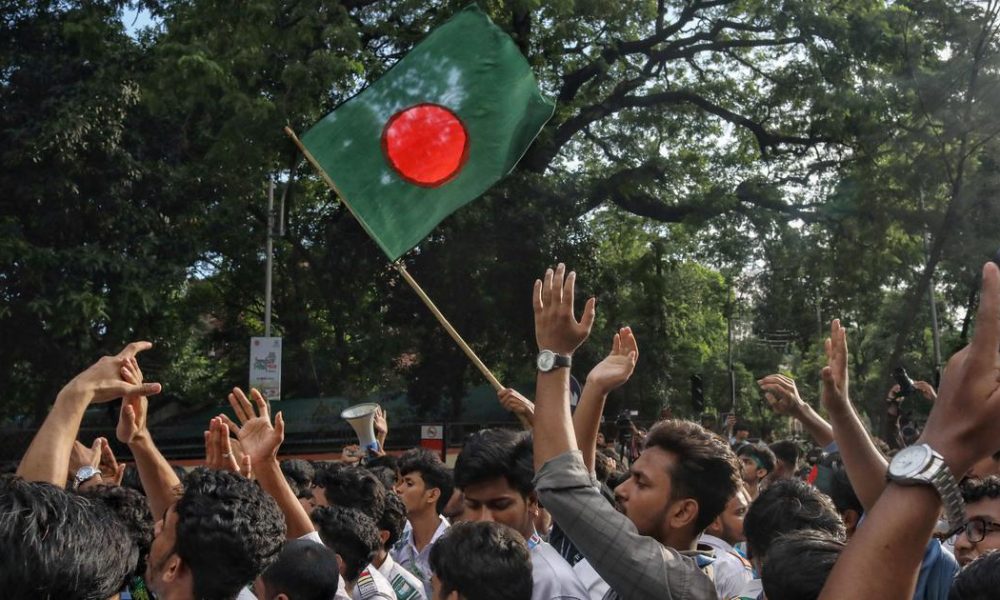
Two years after the significant uprising in July 2021, the political landscape of Bangladesh offers profound insights into the complexities of governance and change. The event, marked by a massive mobilization of citizens led predominantly by youth, stands as a stark reminder that while toppling an authoritarian regime may be achievable, constructing a robust state framework proves to be a far greater challenge.
This phenomenon of youthful revolutions extending beyond Bangladesh resonates globally, particularly among Generation Z. From Dhaka to Kathmandu, as well as in Tunis and Colombo, young activists have displayed remarkable prowess in galvanizing public support, yet they often struggle to engender lasting institutional reforms. The core inquiry has shifted from the capability to dismantle governments to the capacity to reshape state structures once initial triumphs are celebrated.
The July uprising epitomized a pivotal moment in Bangladesh’s democratic evolution, characterized by a collective movement against a long-standing regime. The tragic killing of Abu Sayeed became a rallying cry, awakening the public to the realities of state oppression and galvanizing support for the movement. Within a matter of weeks, a government that had maintained authority for over 15 years crumbled under the weight of public dissent, showcasing the undeniable power of organized citizenry.
However, the aftermath of such revolutions tends to reveal an uncomfortable truth: dismantling a regime does not inherently equate to effective governance. The challenges of building a new political order often overshadow the initial sense of victory. This reality is echoed in various contexts worldwide, where the initial success of a movement is frequently followed by political instability and social disillusionment.
As Bangladesh continues to navigate its post-uprising landscape, the lessons learned serve as a critical reflection point for other nations grappling with similar dynamics. The path forward for young activists is not merely about achieving governmental change but also involves the intricate task of institutional building that ensures resilience and accountability. The question remains whether the fervent energy of youth can be harnessed to not only challenge the status quo but also to cultivate the structures necessary for sustained democratic governance.
Source: scroll.in







No Comment! Be the first one.